Agentic Orchestration: AI's Next Platform Shift
The era of painstakingly crafting prompts for AI is giving way to a more powerful paradigm. Agentic orchestration ushers in a new era of intelligent systems.
Dell and Lenovo just committed $200,000 annually to the Linux Vendor Firmware Service (LVFS), a massive boost for a project long reliant on goodwill. This move signals a growing recognition of Linux's market significance.
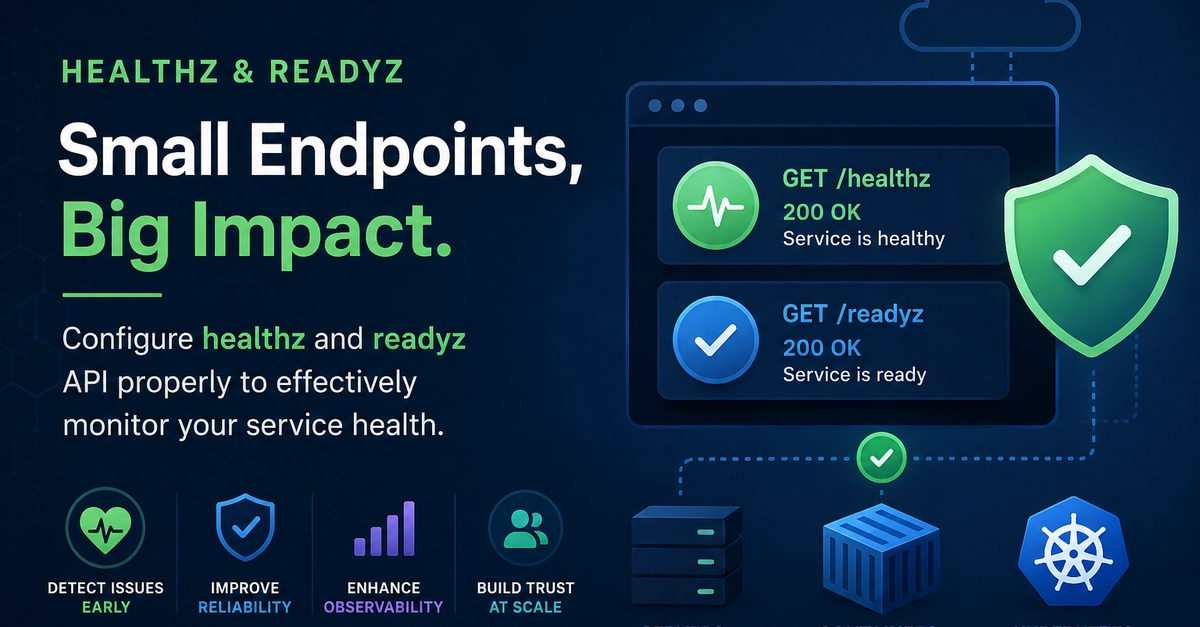
In the high-stakes world of Kubernetes, the subtle difference between liveness and readiness probes can mean the difference between smoothly operation and catastrophic data loss.
The frustrating setup and maintenance of capable open-source AI agents might finally be over. HermesCloud is launching managed hosting for the popular Hermes Agent, promising to deliver its powerful capabilities without the infrastructural headache.
Cloud dependency for AI is no longer a given. A new app, Sanctum Machina, puts Google's powerful Gemma 4 models directly onto your Android phone.
Google's AlphaEvolve AI agent is no longer a research curiosity; it's a foundational piece of infrastructure and a commercial driver, promising a future where AI designs itself.
After decades at the helm, Andrew Morton is handing over the reins of Linux kernel memory management. The seismic shift raises critical questions about subsystem stability and future maintainership.
The digital world is a constant battle against unseen threats. For Linux users, staying patched is less about convenience and more about survival.
Cloudflare is betting big on AI to rewrite the foundational code of the internet's most popular CMS. But is this ambitious project a strategic masterstroke or a high-stakes gamble?
A minuscule Python script is all it takes to gain root access on vulnerable Linux systems. This 9-year-old bug, dubbed 'Copy Fail,' highlights the perennial challenge of keeping critical infrastructure secure.
Tired of cloud AI image generators? Docker Model Runner and Open WebUI offer a compelling, local alternative, putting powerful image creation directly on your machine. This deep dive explores how it works and why it matters.
Java 26 has landed, and it's not just another version update; it's a statement. The age of applets is officially over, and the web's future, HTTP/3, is now a first-class citizen.
We've all been buried under a mountain of vulnerability alerts, most of them completely irrelevant. Now, Docker and Black Duck are here to surgically slice through that noise.
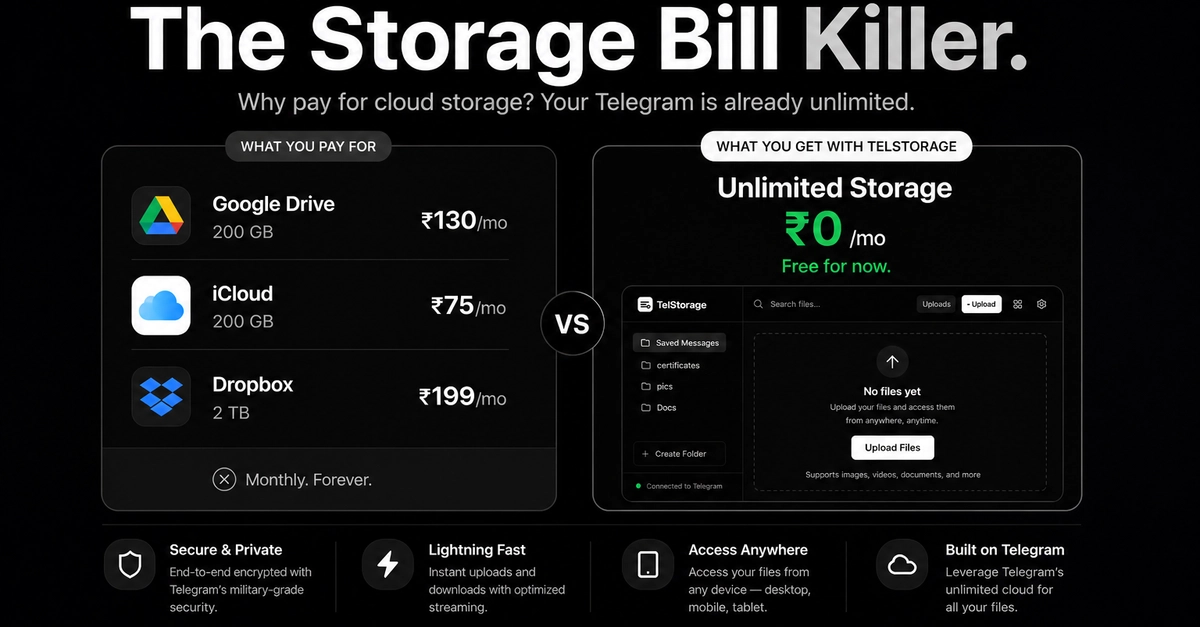
What if the cloud storage solution you've been searching for has been sitting in your pocket all along? One developer thinks so, leveraging Telegram's underutilized infrastructure to build TelStorage.
Forget the hype. The numbers are in: Kubernetes isn't just surviving the AI boom, it's the foundational operating system powering it. Open infrastructure and engineering discipline are the real AI unlock.
Forget perfect. One UNIZIK student is building his software engineering future, one post at a time. This is raw learning for the AI age.
Everyone's talking AI chatbots. But where do they actually *live*? AYW's latest guide lifts the curtain on deploying complex chatbot infrastructure on Vercel, a move that’s far more significant than just another deployment tutorial.
Forget passwords, 2026 is the year of identity cloning. Security teams are making a fatal mistake with cloud VMs for deepfake detection, missing critical AI glitches.
Linux users, brace yourselves. A critical 'Copy Fail' exploit is making the rounds, allowing unprivileged users to gain admin access with minimal effort. The race is on for distributions to push out patches.
Kubernetes v1.36 is a quiet win for batch and ML workloads, finally letting admins tweak pod resources on suspended Jobs. This moves a critical management capability out of alpha and into beta.