Daily Briefing: June 08, 2026
Your Open Source morning briefing for June 08, 2026 — the top stories you need to know.

Silicon Valley has a knack for reinventing the wheel, often with a splash of unnecessary jargon. mkdev, a new open-source tool, tackles a persistent, infuriating problem for developers: getting trusted HTTPS on localhost.
Your Open Source morning briefing for June 08, 2026 — the top stories you need to know.

The average AAA game download now crests 80GB. Bad Apples, a new collection of browser-based mini-games, offers a refreshingly lightweight alternative, prioritizing instant fun over overwhelming installs.
Manual deployments are dead. A simple GitHub Actions configuration file can push your React app live in about 30 seconds, eliminating tedious manual steps and freeing up valuable developer time.
Forget incremental updates. Google I/O 2026 just blew the doors wide open, revealing an AI-powered future that's less about prompts and more about profound creation. This isn't just a feature set; it's a seismic platform shift.
Forget the obituary rumors. In 2026, Java is not just alive; it's a foundational pillar of the digital economy, powering everything from your phone to global financial markets.
French B2B SaaS companies face a crucial decision: Mistral AI or OpenAI? It's not just about raw AI power, but about safeguarding client data and navigating complex regulations.
Everyone asks about feature velocity. But the real killer? Setup time. How long before you even *see* the code you're meant to write?
Your code's journey begins long before execution, at the hands of two unsung heroes: the lexer and the parser. They are the silent architects of your software, and their role is more impactful than most realize.
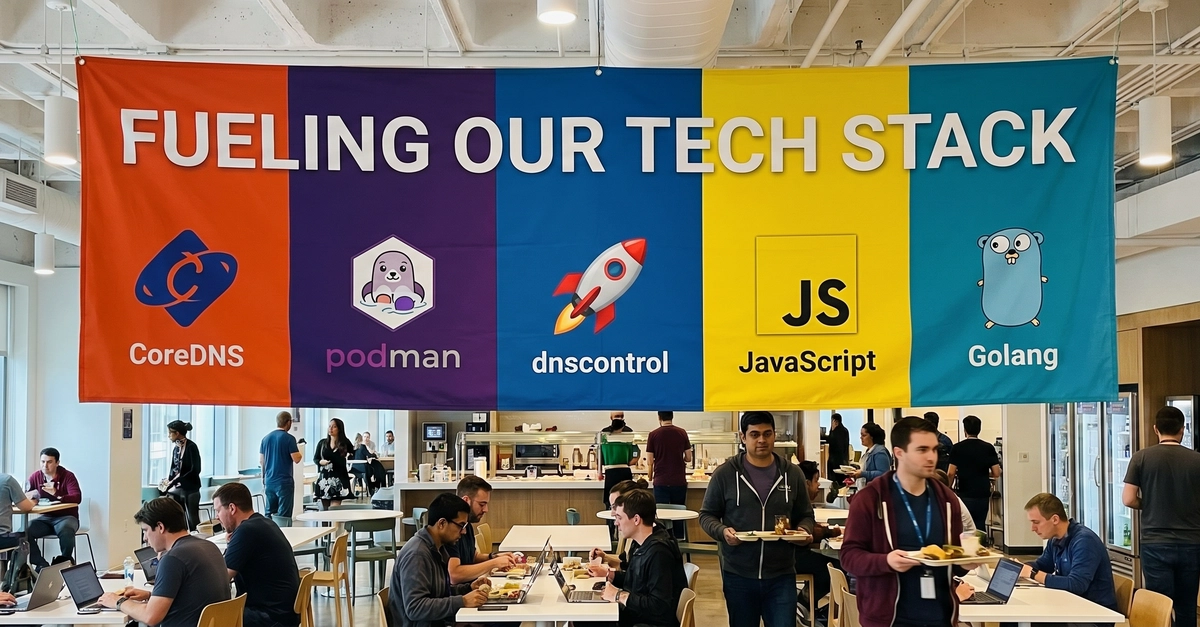
Forget manually juggling BIND zone files. A new open-source project provides a containerized DNS solution, marrying DNSControl's declarative approach with CoreDNS's modern flexibility.
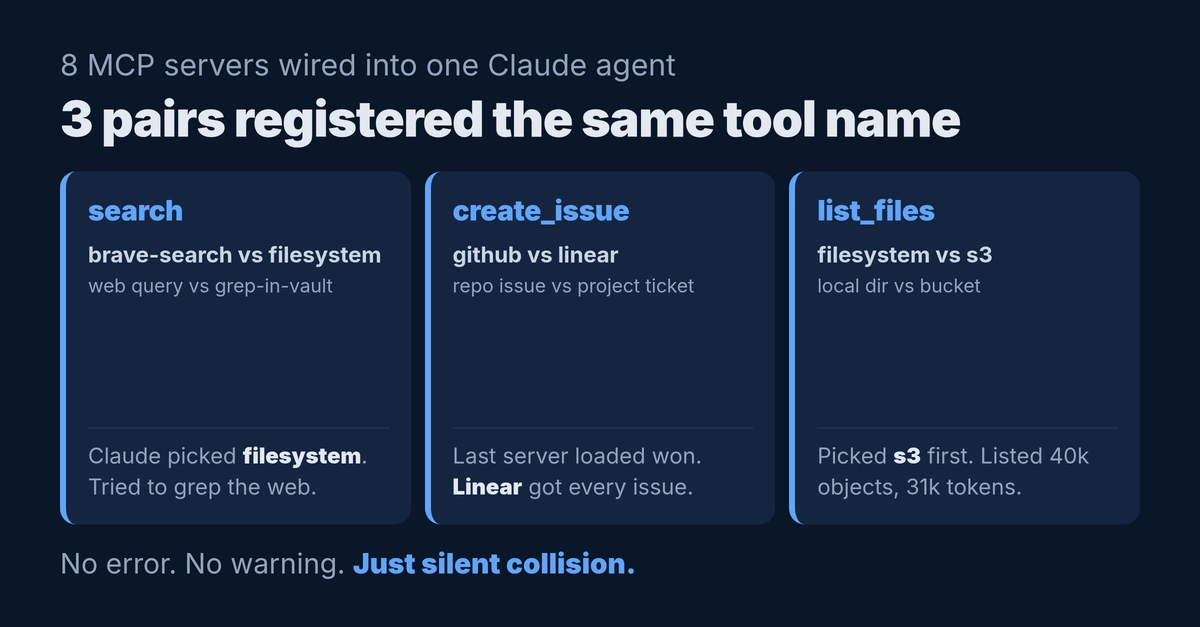
When you wire up eight AI agents, you expect some fireworks. What you don't expect are silent data losses and hijacked tasks. That's the grim reality facing users of the Model Context Protocol.
Windows Defender's heuristic detection has a known blind spot for Go binaries, turning legitimate security tools into perceived malware. A recent open-source project learned this the hard way.
Everyone's building AI memory with graphs. They're all about to hit a very expensive wall. The fundamental architecture is wrong.