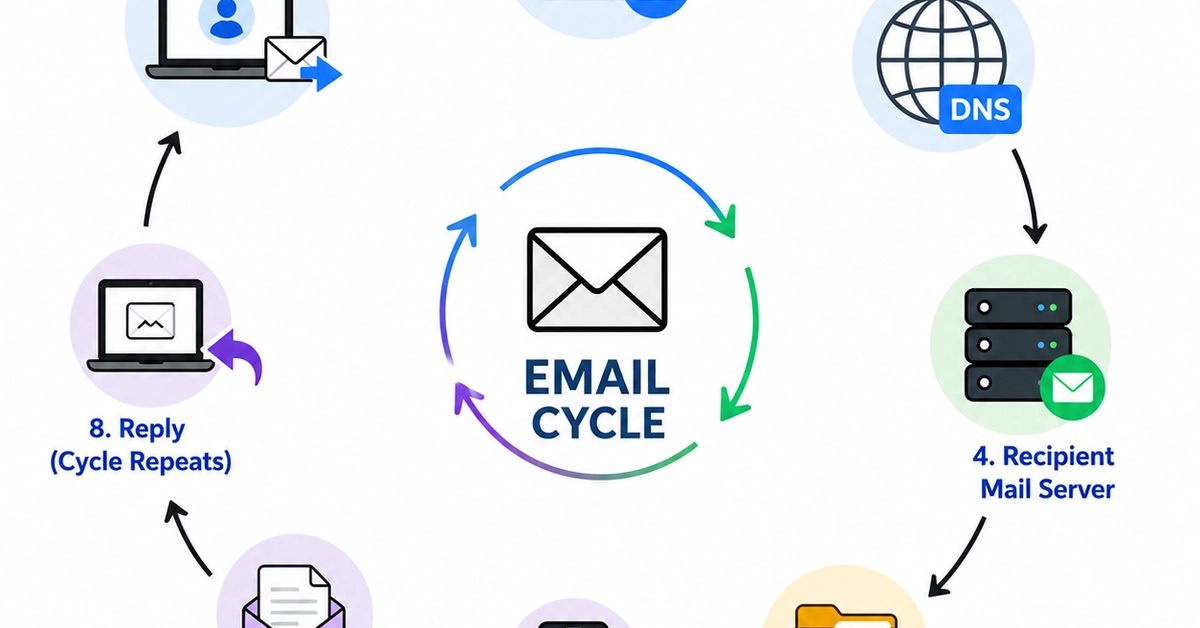
Email Under the Hood: 23 Million Emails Sent Per Second
You click 'Send'. Then what? Turns out, it's not magic. It's a high-speed ballet of servers, cryptography, and strict protocols.

AI coding agents are autonomously installing software, but who's responsible when something goes wrong? A dangerous accountability gap is opening up in enterprise security.
GitHub's top security executive is speaking out after unauthorized access to internal repositories. The details are still emerging, but the implications for millions of developers are significant.
Everyone and their uncle expected this cybersecurity roadmap to dive straight into the shiny new exploits and zero-days. Instead, it's pulling us back, way back, to the digital bedrock: operating systems.
Microsoft wants us to believe their new AI, MDASH, is the future of finding bugs. The truth? More sophisticated agents might just mean more sophisticated ways to break things.
The bedrock of modern software is under siege. A relentless wave of code poisoning attacks is turning open source, the very engine of innovation, into a vector for widespread compromise.
Just when you thought it was safe to patch up from last week's kernel scare, Linux users are hit again. Dirty Frag lets even low-privilege users seize total control of your servers.
Forget passwords, 2026 is the year of identity cloning. Security teams are making a fatal mistake with cloud VMs for deepfake detection, missing critical AI glitches.
The Russian military is leveraging compromised routers for widespread espionage, turning unsuspecting devices into nodes for password theft and surveillance. Lumen Black Lotus Labs reports an alarming scale to the operation.
Nvidia GPUs are no longer safe. Novel Rowhammer attacks now grant attackers complete root control over machines, bypassing crucial security measures. This is not good.