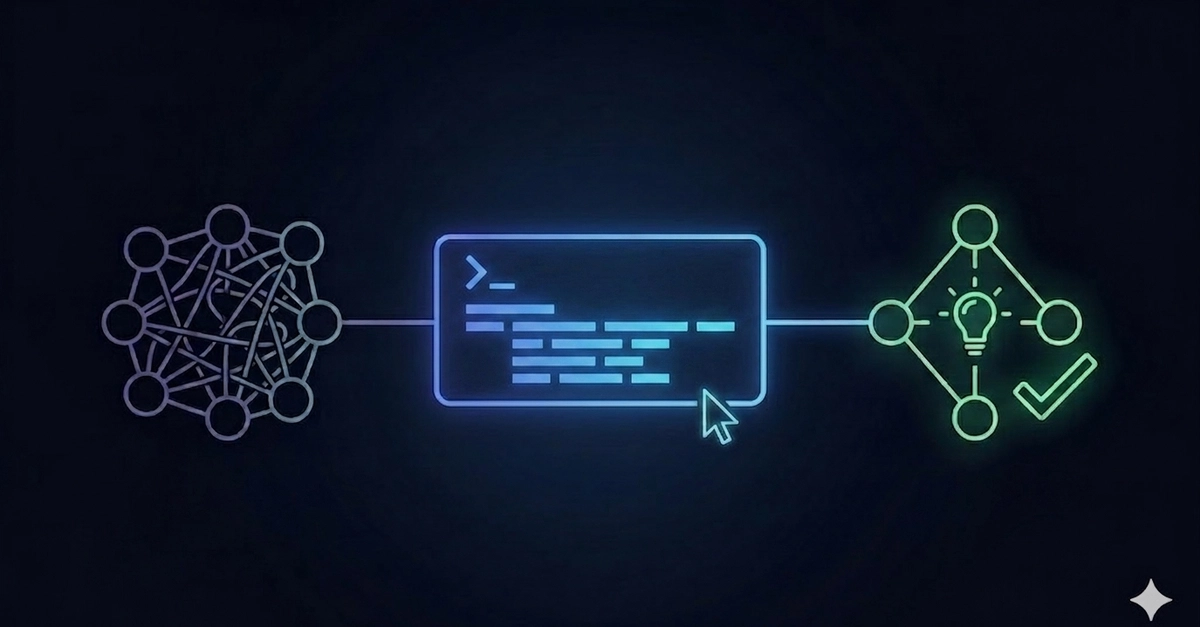
AI’s Platform Shift Continues.
AI isn’t just a new tool; it’s a seismic platform shift, like the internet or the smartphone. And just like those revolutions, it’s a messy, chaotic scramble. Remember MCP? The Model Context Protocol. Less than a year ago, it was the shiny new object everyone had to have. Now? Crickets. Or rather, not crickets, but the loud, attention-grabbing chatter about its younger sibling, Agent Skills. Social media, predictably, is screaming ‘MCP is dead!’ — a headline as reliable as a politician’s promise.
But here’s the thing: the narrative is oversimplified. Anthropic, the progenitor, donated MCP to the Linux Foundation and simultaneously open-sourced Agent Skills. They themselves state: ‘MCP provides secure connectivity to external software and data, while skills provide the procedural knowledge for using those tools effectively.’ They’re not enemies; they’re meant to be partners, like a sophisticated navigation system (MCP) and a skilled driver (Skills).
The Remote MCP Server: The Real Game-Changer
The true innovation, the linchpin for enterprise adoption, isn’t the protocol itself, but the remote HTTP MCP server. This is where the magic happens, moving us from ‘vibe-coding’ to actual ‘agentic engineering.’ And its built-in OAuth support? That’s not just a feature; it’s the security blanket enterprises desperately need. Think about it: an engineer leaves? Revoke their token, and poof! No lingering access to sensitive data. It’s elegantly simple, and critically important.
Why Did MCP Become ‘Bloated’ for Some?
This is where the story gets interesting, and where a brilliant open-source community steps in. The ZenStack community, inspired by the potential of secure AI access to databases via MCP, hit a wall. One user, experimenting with ZenStack for complex database interactions, found a showstopper: schema size. When trying to expose even a single tool like User_findFirst, the MCP console choked. The generated Zod and JSON schemas were simply gargantuan, dwarfing the context limits. We’re talking hundreds of thousands of tokens where only a fraction were available. Manually trimming these for every tool? An absolute non-starter for any serious project. This isn’t a flaw in MCP or ZenStack; it’s a growing pain of scaling these powerful systems together.
“When I tried adding even a single tool (e.g.,
User_findFirst), the MCP console threw an error indicating that the token length was around 410k, while the available token limit was only about 130k.”
The call for “optimized” or “compressed” schemas isn’t a plea for less functionality; it’s a demand for practical implementation. Imagine partial schema generation (only including fields for the specific operation), simplified exports, or configurable depth for related models. These aren’t just clever tricks; they’re the engineering solutions that allow complex systems to coexist and thrive. This could drastically reduce token usage, maintain access control benefits, and finally make ZenStack-powered MCP servers a reality for those wrestling with massive databases.
Is This the End of the ‘MCP is Dead’ Narrative?
Not entirely, but it’s a significant chapter rewrite. The initial hype around MCP, followed by the understandable shift to Agent Skills, created a narrative vacuum. But what we’re seeing here is the natural evolution of a platform. Think of early web browsers. They were clunky, limited, and often crashed. Did that mean the internet was dead? No, it meant we needed better rendering engines, better protocols, and developers who understood how to build for the medium. MCP, in this analogy, is the underlying network protocol. Agent Skills are the applications. And this ‘Code Mode’ optimization is like the efficient compression algorithms that make those applications sing. It’s not about killing one for the other; it’s about making them work together more effectively. The real heroes here are the engineers identifying these bottlenecks and proposing elegant, human-driven solutions. It’s a proof to the open-source spirit, turning what looked like a death knell into a vital upgrade.
🧬 Related Insights
- Read more: dive’s Fake SOC 2 Empire Crumbles — Your Dev Tools Might Be Next
- Read more: GitHub’s March 2026 Outages Hit Developers Where It Hurts Most
Frequently Asked Questions
What is MCP? MCP, or Model Context Protocol, is a system designed for secure connectivity to external software and data, enabling AI agents to interact with tools and information.
Why was MCP considered ‘bloated’? For complex databases and schemas, the generated context information for MCP could exceed token limits, making it impractical for certain integrations. ZenStack’s schema generation was identified as a contributor to this issue.
What is Agent Skills? Agent Skills, developed by Anthropic, represent the procedural knowledge for effectively using tools. MCP and Agent Skills are intended to work complementarily, with MCP handling secure access and Agent Skills managing the ‘how-to’.