Startup Time Sinks: What's the Real Dev Cost?
Everyone asks about feature velocity. But the real killer? Setup time. How long before you even *see* the code you're meant to write?
Another day, another batch of security updates. But for AlmaLinux users, there's more to this list than meets the eye. We break down what's critical.
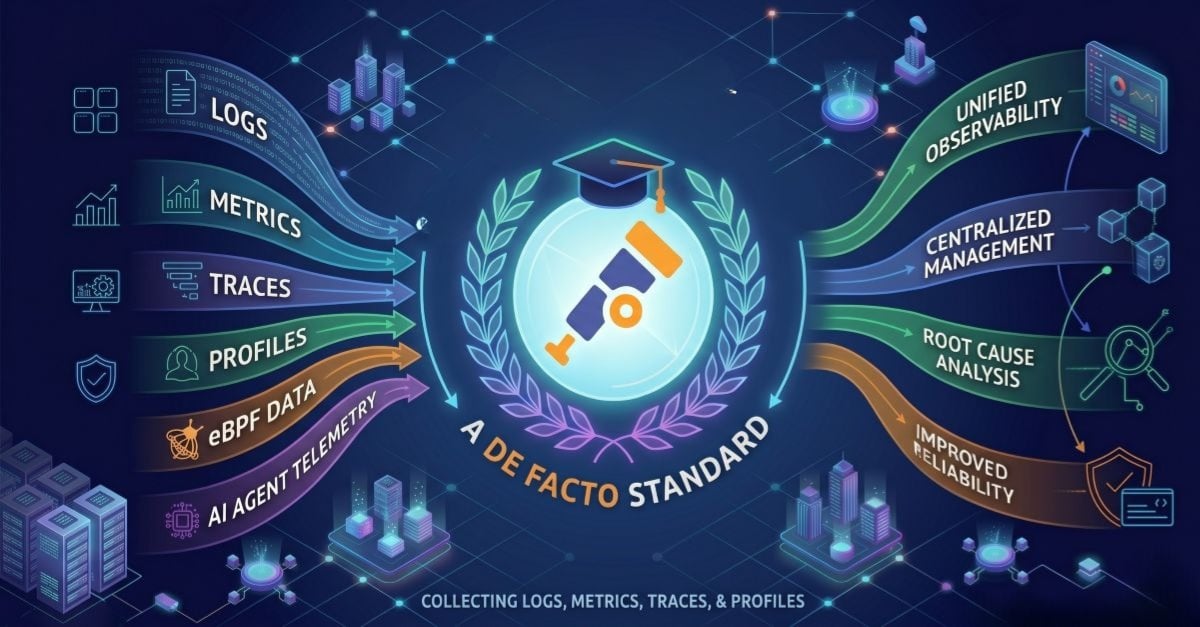
OpenTelemetry has officially achieved CNCF graduated status, a significant milestone. But this 'de facto standard' might still have some catching up to do.
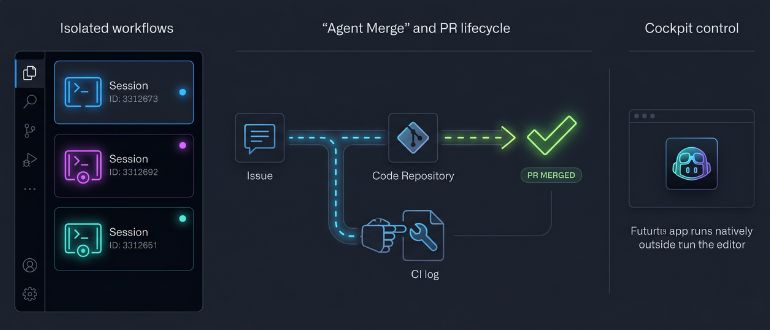
GitHub's AI assistant just got a desktop life, aiming to streamline developer workflows beyond the IDE. This new app, in technical preview, promises 'agentic development' that handles tasks from issue to merged pull request.
Remember those pesky Kubernetes vulnerabilities you thought were handled? Turns out, some never were. Now, the project is finally getting its house in order, but not before June 1, 2026.
The perpetual cat-and-mouse game of securing Kubernetes clusters just got a significant upgrade. Kubernetes v1.36 is quietly rolling out a feature that could fundamentally alter how we enforce policies.
OpenTofu 1.12 is out, and it's already shipping features that Terraform users have been clamoring for, for nearly a decade. This isn't just incremental polish; it's a direct answer to long-standing frustrations.
The days of juggling Gitaly on VMs alongside your Kubernetes-native GitLab are officially over. Gitaly on Kubernetes is now generally available, a move that's nothing short of transformative for many teams.
AI can write code at lightning speed, but that's not the end game. The real challenge lies in the downstream processes that determine actual software delivery.
The endless, manual chase for security scanner coverage in codebases is over. GitLab 19.0 introduces a centralized UI to manage security profiles, promising to cover thousands of projects in minutes. Finally, a way to avoid those dreaded security gaps.
The promise of Kubernetes, its dizzying flexibility, comes with a hidden cost: configuration complexity that fuels reliability and security failures. It turns out, many of the gravest incidents don't stem from your app code, but from a subtle misconfiguration, a missed detail in your deployment. And the worst part? You usually find out about it far too late.
The AI development landscape has been defined by vendor-controlled platforms, fostering a 'depend first' mentality. GnokeOps offers a radical alternative: bringing the AI to your domain, not the other way around.