AI Code Agents Create Security Black Hole
AI coding agents are autonomously installing software, but who's responsible when something goes wrong? A dangerous accountability gap is opening up in enterprise security.

No more being tethered to your workstation. HiTerm unleashes AI coding agents, letting you monitor and interact with them from your phone.
AI coding agents can meticulously mend single lines of code, but a deep dive into Kubernetes bug fixes exposes a critical blind spot: understanding the ripple effect across an entire system. The results are a stark reminder that complex software remains stubbornly human-centric.
Forget brute-force AI models. A new approach uses architectural context to make cheap AI coders beat the expensive ones. This isn't just better code; it's smarter efficiency.
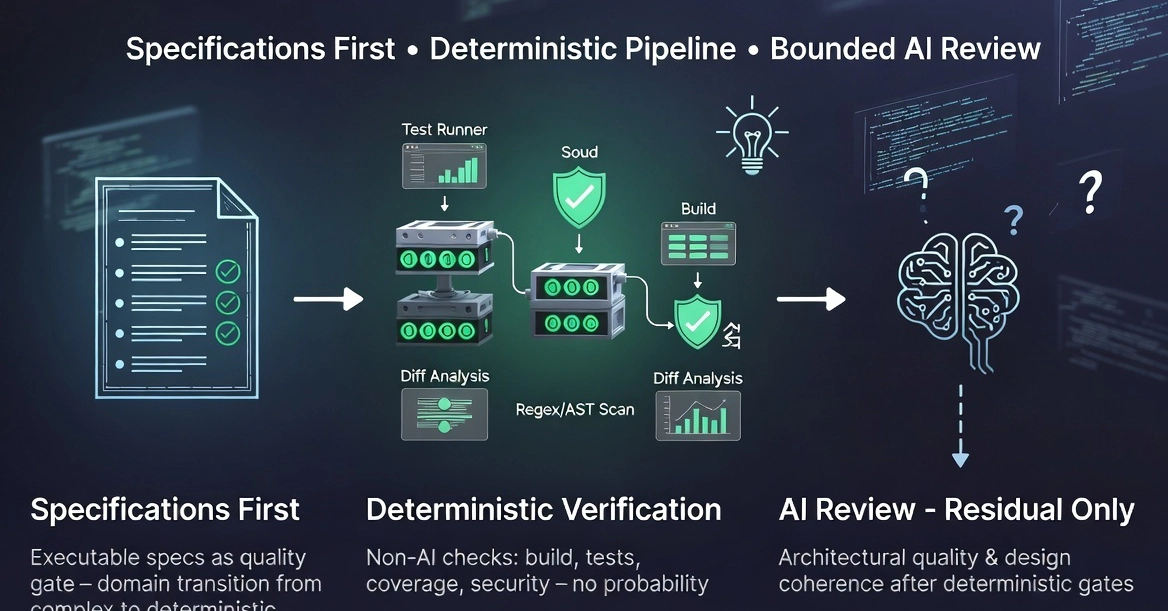
Picture this: you're staring at AI-generated code that's fast but flaky. Two projects, no coordination, both scream 'specs first' to fix it.
Maintainers are slamming laptops shut as AI bots flood repos with junk code. This isn't a glitch; it's the future of dev workflows staring us down.
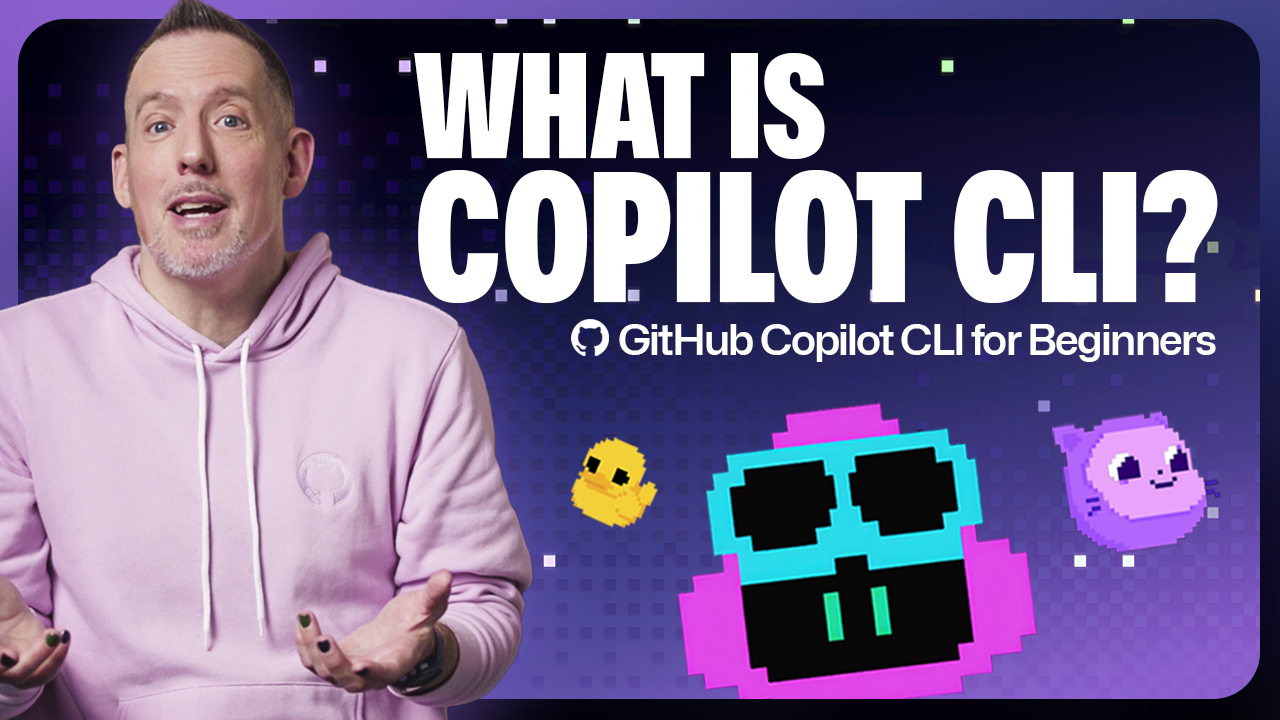
Imagine typing a command and watching AI agents build, test, and fix code right in your terminal. GitHub's Copilot CLI promises that – but does it live up to the agentic hype?
You're refactoring auth across 10 files, sweating dependencies. Cursor suggests lines; Claude Code just does it. After 20 years, here's why shipping beats typing.
AI buzz everywhere, but your code still breaks. Claude Code fixes that by living in your project, not a chat window. Time to stop pasting and start agenting.
Imagine your AI coding buddy second-guessing itself with a rival model's sharp eye. GitHub Copilot CLI's Rubber Duck does just that, slashing errors on brutal, multi-file bugs.
GitHub's March 2026 update isn't just another incremental feature drop. It's a signal that secret detection is finally catching up to how developers actually build—with AI.