Three vendors landed nearly the same runtime shape inside six weeks.
That’s the headline that should make any AI watcher pause. It’s not the flashy model benchmarks, nor the grand pronouncements of sentience. No, it’s the stark realization that a core piece of the AI agent puzzle—the managed runtime—has become so commoditized, so universally adopted, that it’s now… well, boring. And in the volatile world of AI, boring often means it’s about to become critically important.
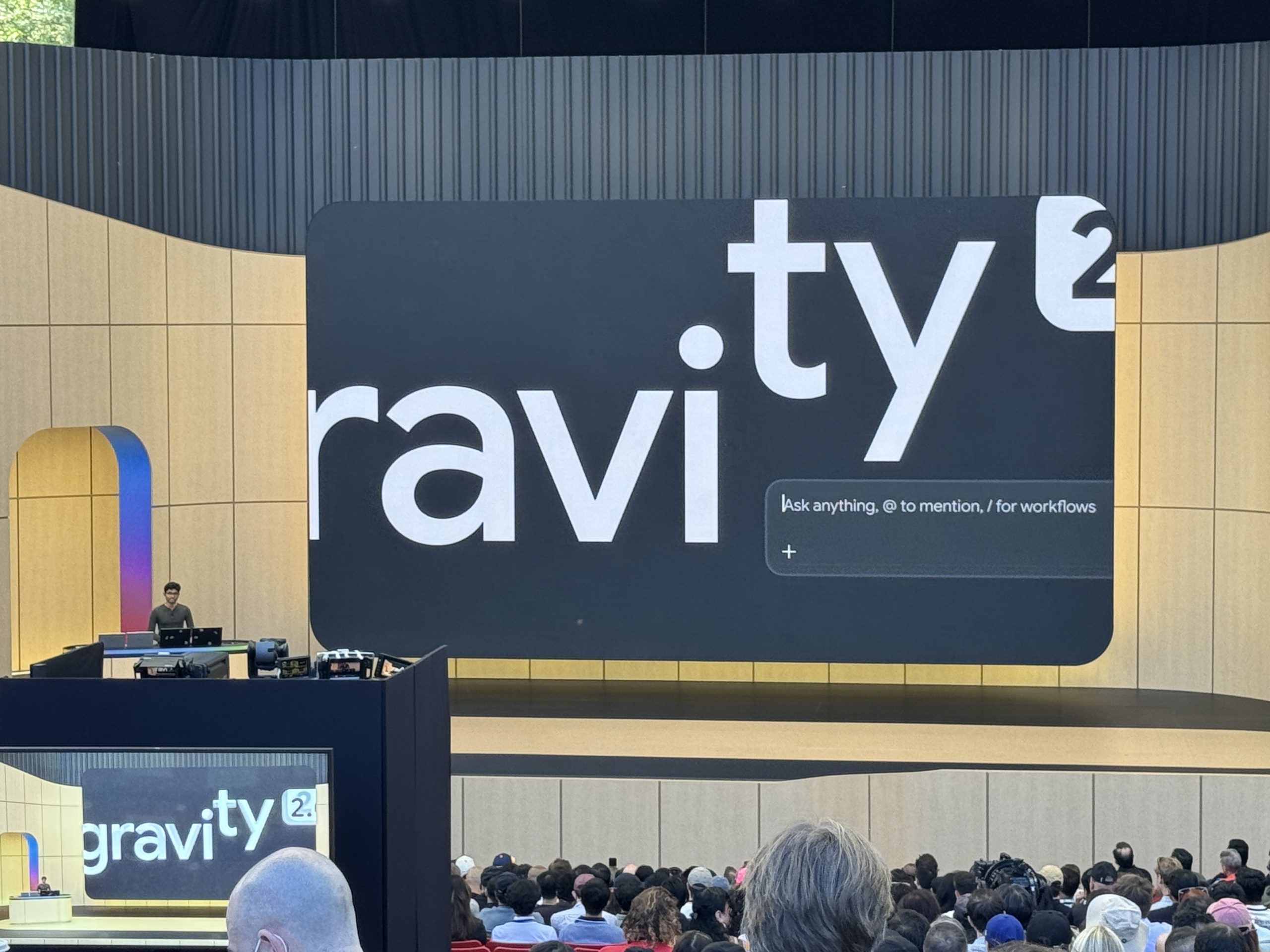
Just look at the numbers. Anthropic kicked things off with Claude Managed Agents in public beta on April 8. Their pitch? Infrastructure, not intelligence, was the bottleneck. Then, a mere two weeks later, AWS previewed a managed harness within Bedrock AgentCore on April 22. And then, at Google I/O, the tech titan debuted Managed Agents in the Gemini API. Three colossal players, almost identically positioned, within the span of six weeks.
This isn’t a coincidence; it’s an architectural convergence. Each launch narrative echoes the same refrain: building a production agent used to be a tangled mess of stitching together model APIs, sandboxes, orchestration layers, and hosting. Now, it’s collapsing into a configuration-first approach, accessible via a handful of API calls.
The implications are profound. When three independent giants independently land on the same product shape within weeks, that shape stops being a differentiator. It becomes table stakes. The battleground shifts.
The Markdown Mania: The Unsung Config Standard
And where is that battleground? It’s in the plain text files that developers are already familiar with. Google’s Managed Agents are defined by AGENTS.md and SKILL.md. Anthropic has embraced Markdown directories for Agent Skills, with SKILL.md now fundamental to Claude Code and Managed Agents. AWS, too, has leaned into this portability, shipping prebuilt skills for various platforms alongside its harness.
This isn’t just a preference for plain text; it’s a deliberate move towards a vendor-agnostic standard. The AGENTS.md format, which originated across various open-source projects and is now stewarded by the Linux Foundation, has seen massive adoption—over 60,000 repositories. What does this mean? It means a developer can read, diff, and commit their agent definitions to Git. No proprietary DSLs, no opaque visual builders locking you in.
The same file defining a Claude agent can, with minimal edits, define a Gemini agent or an AgentCore agent. While models will undoubtedly continue their relentless leapfrogging on benchmarks, this Markdown configuration is quietly becoming the portable layer beneath them all. Think of it like a Dockerfile becoming the universal unit of a container, long before anyone agreed on the specific container runtime.
What Does This Mean for Developers Navigating the AI Landscape?
For developers choosing an agent platform right now, the presence of a managed agent runtime is no longer the deciding factor. Google, Anthropic, and AWS all offer it. The choice now devolves to the decidedly less glamorous, yet infinitely more practical, questions: Where does your data reside? What’s the cost per session hour? Which model is running underneath, and how easily can you swap it out when a better one inevitably emerges elsewhere?
There’s an honest counterpoint to this optimism: the Markdown portability is still shallow. An AGENTS.md file written for Gemini might still assume specific Gemini tool semantics, making a direct port to Claude non-trivial. If vendors deliberately fork these formats to create lock-in, this nascent standard could fracture. However, the prevailing incentive appears to run the other way. The vendor that makes its agents easiest to define and integrate also makes them easiest to leave. And in this hyper-competitive AI race, attracting developers seems to be a higher priority than enforced lock-in, at least for now.
This configuration file, this humble .md document, is where the next significant standards fight will be won or lost. It’s the quiet battleground beneath the AI hype, and it’s where the real shifts are happening.
🧬 Related Insights
- Read more: Expo’s Engine Revealed: Beyond ‘React Native Made Easy’ [Deep Dive]
- Read more: LetinAR’s Pin Mirror: The AI Glasses Optics Secret?
Frequently Asked Questions
What is a managed agent runtime?
A managed agent runtime is an infrastructure service provided by AI platform vendors that handles the complex underlying components needed to run autonomous AI agents. This typically includes managing the agent’s loop (reasoning, tool use, action), providing a secure sandbox environment for code execution, managing state, and handling credential scoping.
Why is the Markdown configuration standard important for AI agents?
The Markdown configuration standard (like AGENTS.md) is important because it allows developers to define AI agents and their skills in a human-readable, version-controllable plain-text format. This promotes portability across different AI platforms, reduces vendor lock-in, and simplifies the development and deployment process.
Will this make AI agents easier to use for non-developers?
While the standardization of managed runtimes and configuration files simplifies the developer experience by reducing infrastructure overhead, it doesn’t directly translate to making agents easier for non-developers to use for everyday tasks. The focus is currently on streamlining agent creation and deployment for technical users, not on abstracting away the complexity for end-users. However, more user-friendly agent interfaces could certainly emerge on top of these standardized backends.