
Skip to content
theAIcatchup
AI Business AI Ethics AI Hardware AI Research
AI Tools Computer Vision Large Language Models Robotics AI Regulation Data Breaches Digital Banking Digital Banking New Releases Open Source Projects DevOps & Platform Eng Developer Tools IP & Copyright Payments & Transfers Payments & Wallets Vulnerabilities & CVEs AI in Finance Crypto & Blockchain Open Source Privacy & Data Programming Languages Ransomware & Malware AI Lawsuits Cloud & Infrastructure DevOps & Infrastructure Lending & Credit Nation-State Threats RegTech & Compliance AI & Machine Learning AI Dev Tools Compliance & Audits InsurTech Lending & Credit Security Tools Compliance & Policy Databases & Backend InsurTech Legal Tech Tools RegTech & Compliance Security & Privacy Cloud Security Community & Governance EU AI Act Frontend & Web Funding & IPOs Startups & Funding AI in Finance Cloud & Databases Crypto & DeFi Engineering Culture Governance & Ethics Threat Intelligence
💻

Programming Languages

Terminal showing a web scraper stopping at page 187 when robots.txt is dynamically updated
Programming Languages

The Mid-Scrape Trap: Why Checking robots.txt Once Costs You IP Bans

A developer scraped 187 pages successfully, then hit a wall—the site updated robots.txt while the scraper ran. One lesson learned the hard way: checking robots.txt once isn't enough.

4 min read 1 week ago
Veridian Guard shield protecting AI agent from flaky LLM API failures
Programming Languages

Veridian Guard: One Decorator to Save Your AI Agents from LLM Chaos

AI agents promise autonomy, but flaky LLM APIs turn them into fragile messes. Enter Veridian Guard — a pure Python shield that wraps your calls in bulletproof resilience with one line.

4 min read 1 week ago
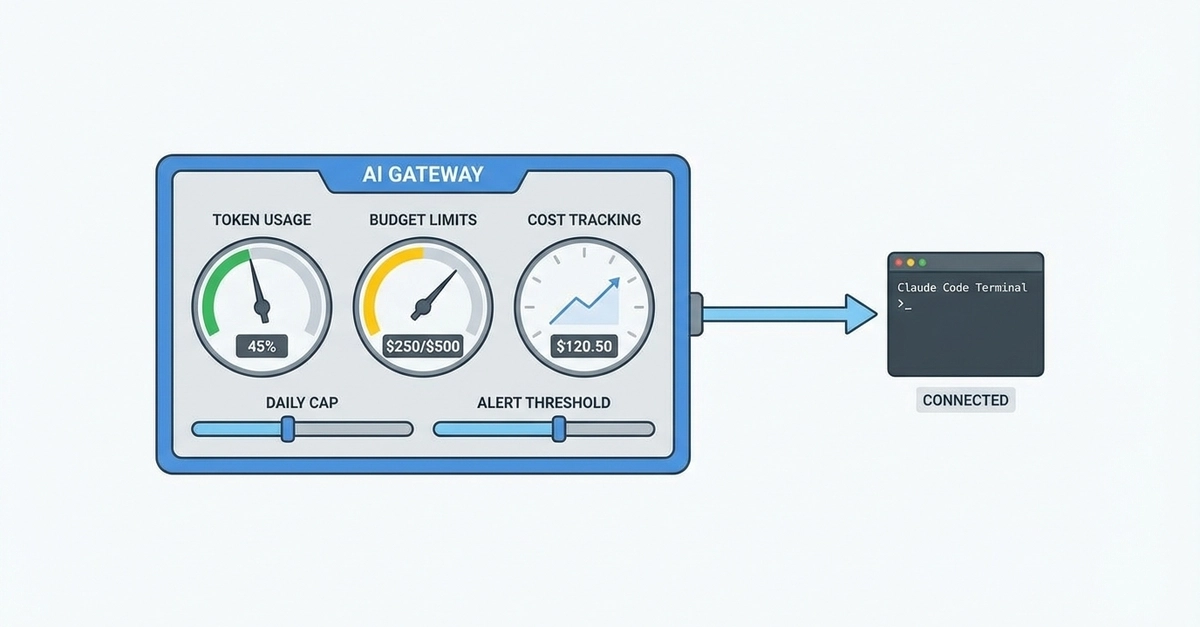
Bifrost dashboard tracking Claude Code LLM usage and costs in real-time
Programming Languages

Bifrost: The No-Nonsense Gateway Taming Claude Code's Wild Spending

Claude Code feels like magic until the bill arrives. Bifrost slips in as your cost gatekeeper, no workflow rewrite required.

3 min read 1 week ago
Docker containers stacked with Claude Code interface visible, representing local model execution and isolated sandboxes
Programming Languages

Docker + Claude Code: The Setup Most Developers Are Missing (And Why It Matters)

Claude Code is powerful. Docker makes it dangerous—in the best way. Here's how to actually run it locally without burning your machine.

5 min read 1 week ago
Code snippet showing Markdoc tag syntax mixed with prose in a streaming LLM response, with a state machine diagram of the tokenizer pipeline
Programming Languages

Why Markdoc Is the Answer to LLM Streaming UI That Nobody Was Asking For (Yet)

Every AI chatbot hits the same wall: LLMs produce markdown beautifully, but the moment you need a chart or form, your streaming experience dies. One developer built mdocUI to fix this—and the solution is deceptively elegant.

5 min read 1 week ago
Claude Code's Token Collapse: When AI Pricing Models Break Developer Workflows
Programming Languages

Claude Code's Token Collapse: When AI Pricing Models Break Developer Workflows

Max tier subscribers are torching their token budgets faster than they can say 'prompt engineering.' Anthropic's caching system promised efficiency—but something's gone badly wrong.

5 min read 1 week ago
Code comparison of three JavaScript array flattening methods: flat(), recursion, and stack-based iteration
Programming Languages

JavaScript's Array.flat() Is Elegant. But Your Nested Data Might Need Something Meaner.

JavaScript's flat() method looks deceptively simple. But when your data structures get weird—and they will—you need to know what's actually happening under the hood.

4 min read 1 week ago
Kubernetes cluster visualization with LLM threat vectors overlaid, showing data flow and security gaps between infrastructure and application layers
Programming Languages

Running LLMs on Kubernetes? Your Infrastructure Doesn't Protect You From Prompt Injection

Your Kubernetes cluster looks healthy. Pods are running, logs are clean, users are chatting with the model. But Kubernetes has no idea what those workloads actually do—and LLMs introduce a threat model that infrastructure alone can't solve.

5 min read 1 week ago
← Newer Page 14 of 14
theAIcatchup

Community-driven. Code-first.

Categories

  • AI Business
  • AI Ethics
  • AI Hardware
  • AI Research
  • AI Tools
  • Computer Vision
  • Large Language Models
  • Robotics
  • AI Regulation
  • Data Breaches
  • Digital Banking
  • Digital Banking
  • New Releases
  • Open Source Projects
  • DevOps & Platform Eng
  • Developer Tools
  • IP & Copyright
  • Payments & Transfers
  • Payments & Wallets
  • Vulnerabilities & CVEs
  • AI in Finance
  • Crypto & Blockchain
  • Open Source
  • Privacy & Data
  • Programming Languages
  • Ransomware & Malware
  • AI Lawsuits
  • Cloud & Infrastructure
  • DevOps & Infrastructure
  • Lending & Credit
  • Nation-State Threats
  • RegTech & Compliance
  • AI & Machine Learning
  • AI Dev Tools
  • Compliance & Audits
  • InsurTech
  • Lending & Credit
  • Security Tools
  • Compliance & Policy
  • Databases & Backend
  • InsurTech
  • Legal Tech Tools
  • RegTech & Compliance
  • Security & Privacy
  • Cloud Security
  • Community & Governance
  • EU AI Act
  • Frontend & Web
  • Funding & IPOs
  • Startups & Funding
  • AI in Finance
  • Cloud & Databases
  • Crypto & DeFi
  • Engineering Culture
  • Governance & Ethics
  • Threat Intelligence

More

  • RSS Feed
  • Sitemap
  • About
  • Advertise

Legal

  • Privacy
  • Terms
  • Work With Us

Our Network

The AI Catchup AI & Machine Learning Threat Digest Cybersecurity Legal AI Beat Legal Tech Fintech Rundown Finance & Banking DevTools Feed Developer Tools Fintech Dose Crypto & DeFi

© 2026 theAIcatchup. All rights reserved.

📬

Stay in the loop

The week's most important stories from theAIcatchup, delivered once a week.

No spam. Unsubscribe any time.

You clearly love Open Source news — get it in your inbox

🏠 Home 🔍 Search 🔖 Saved 📂 Categories