Phone-to-PC Jukebox Quest: Pikaraoke and Open-Source Rivals That Actually Work
A Redditor's plea for a digital jukebox sparks a hunt through GitHub's dusty corners. Turns out, reviving bar-night vibes at home isn't dead—it's just self-hosted.
In-depth coverage of the latest Open Source Projects developments, trends, and analysis — curated daily.
A Redditor's plea for a digital jukebox sparks a hunt through GitHub's dusty corners. Turns out, reviving bar-night vibes at home isn't dead—it's just self-hosted.

A simple string length check just got a massive RISC-V makeover in Linux 7.1 — 427.5% faster. But why does this tiny function pack such a punch in the kernel's guts?
Imagine a RISC-V powerhouse finally shedding its beta skin for full Linux embrace. SpacemiT K3 RVA23 SoC's Linux 7.1 upgrades — Ethernet, UART, the works — signal the architecture's embedded breakout.
Linux 7.1 is about to supercharge Bitland laptops with a custom WMI driver. Forget proprietary lock-in—open source just cracked the code.
Open source land is littered with starry ghosts—repos that explode with hype then vanish. Enter OSS-Health-Monitor, a badge that lays bare the true grind behind the glamour.
RADV just landed support for Vulkan's VK_EXT_primitive_restart_index – the first Mesa driver to do so. It's a Valve-engineered push that could supercharge Linux graphics emulation.
Apps lying about their network habits? This dead-simple Linux tool calls their bluff. I've seen a thousand like it—most flop—but this one's got legs.
Picture this: your dusty Sega Dreamcast's Visual Memory Unit, that little flash card with games and saves, suddenly readable on a modern Linux rig. VMUFAT, a proposed kernel driver, makes it happen — but is anyone actually asking for it?
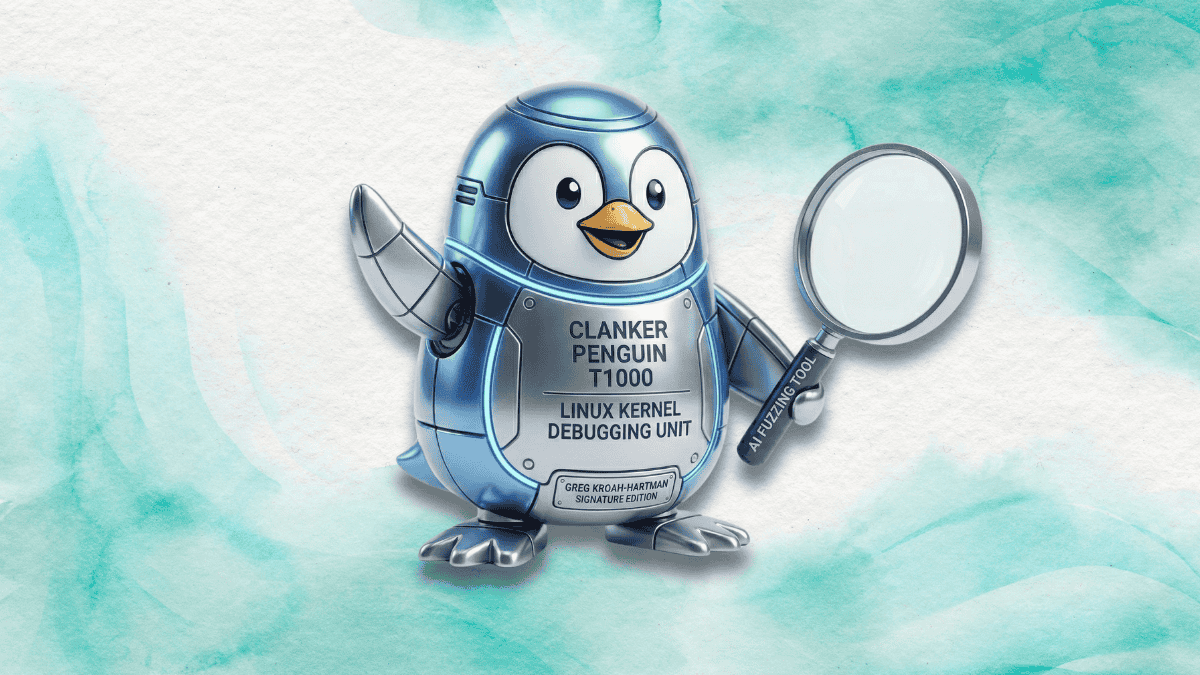
Patches from an AI fuzzer named 'Clanker' are already landing in the Linux kernel. Greg Kroah-Hartman isn't letting bots write code, though—he's making them hunt bugs first.
French bureaucrats might soon boot up Linux instead of Windows—cheaper, secure, no Big Tech strings. But does this actually stick, or fade like past tries?
Imagine firing up your ASUS ROG Zephyrus G16 on Linux 7.0, Armoury Crate humming along perfectly. Three new laptops join the party, all thanks to relentless open-source hackers.
Linux v0.1 from 1991. Still haunting the kernel in 2026. Thomas Gleixner's 'spring cleaning' patch series evicts it with zero mercy.