
Hello World in 0s and 1s: Why Binary and ASCII Unlock Developer Superpowers
Stare at your code's 'Hello World' – it's not magic, it's binary lightning. Mastering this foundation turbocharges your debugging and low-level hacks.

DeFiLlama nails TVL across thousands of protocols—for free. But when you need yields, wallet data, or raw on-chain queries, these 5 alternatives step up, no hype required.
Fingers fly: z windows. Boom—project root. No more mv mishaps into oblivion. Zoxide isn't just faster cd; it's your shell's new guardian.
Tired of babysitting crypto charts? This open Python bot automates trades across exchanges, handing retail traders pro-level tools without the hedge fund price tag.
Commit after commit, the Python Teaching Assistant repo churns toward v1.0.3. It's a full refactor — not fluff — betting big on a foundation that might outlive the hype.
Dependabot's a start, but not the fix. FixBeacon wants to centralize your dependency hell—does it?
RISC-V fans dreamed of cheap ARM alternatives that just worked. BeagleV Ahead's HDMI on Linux 7.1? It's a step — a tiny, flickering one.
What if your pull requests wrote themselves? PRDraft, a new GitHub App, scans diffs and spits out detailed 'what, why, how' descriptions using Groq's LLM—potentially saving devs hours of drudgery.
Open source movie trackers lag behind Letterboxd's polish, but Jellyfin's self-hosted muscle makes it the smart pick. Data shows it's surging ahead.
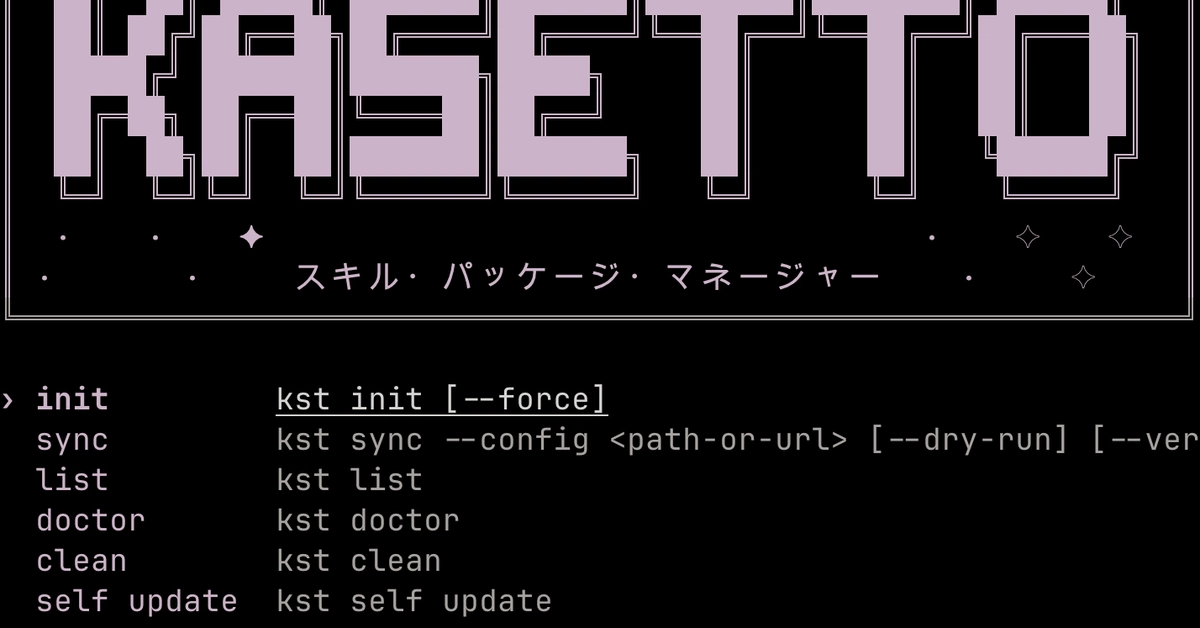
AI agents are exploding, but setups are a nightmare. Kasetto, a Rust-built manager, packages skills and MCP servers into shareable YAML—ending 'works on my machine' forever.
Open source contributions sound elite, but they're not. Here's the no-BS path to your first PR — before you trip on a trailing space.
Linux 7.1 is about to supercharge Bitland laptops with a custom WMI driver. Forget proprietary lock-in—open source just cracked the code.
200 upvotes on Reddit in days — devs are screaming for ways to share context across local tools without glueing them into a monolith. Here's the architectural deep-dive on why it's hard, and patterns that actually work.
Dev weary of mismatched terminals across macOS and Linux? Ghostty's Ubuntu repo debut means instant, native bliss with one apt command. Millions already hooked—your workflow's next.
Imagine firing up your ASUS ROG Zephyrus G16 on Linux 7.0, Armoury Crate humming along perfectly. Three new laptops join the party, all thanks to relentless open-source hackers.
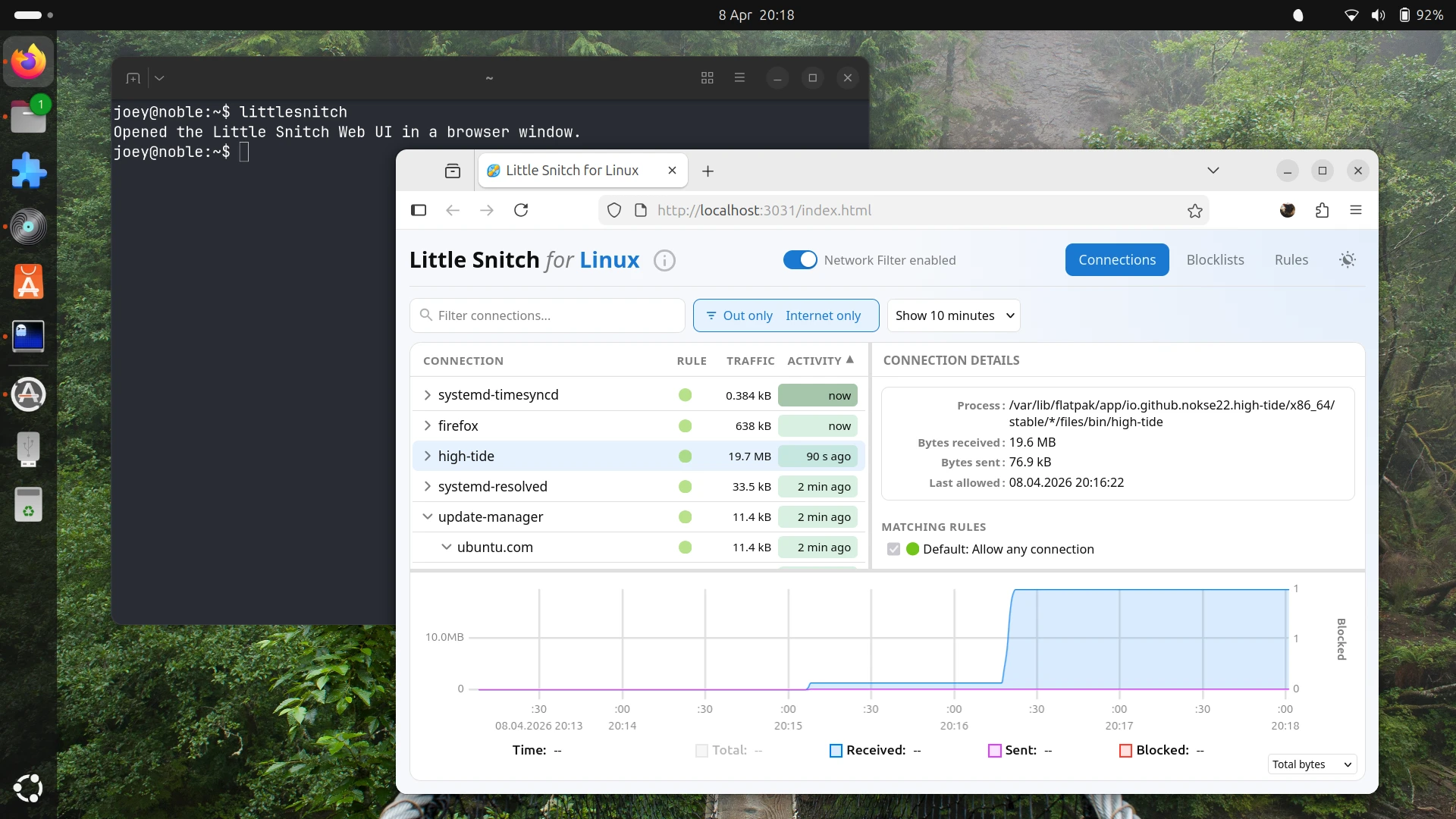
Firefox launches and immediately phones home to Mozilla. On your fresh Linux install, Little Snitch for Linux catches it cold. The macOS privacy champ just went open-ish.
NPUs promised effortless AI with tiny power draws. Now Intel's Linux driver patch lets users throttle them — a quiet admission that real-world heat and batteries bite back.
Billions of views on #TechDayInTheLife videos aren't just flexing productivity—they're arming CFOs with ammo to gut remote work and salaries. Tech workers' transparency addiction is their own worst enemy.
You're refactoring auth across 10 files, sweating dependencies. Cursor suggests lines; Claude Code just does it. After 20 years, here's why shipping beats typing.
A Zcash Sapling Merkle proof verification costs 6.4 million gas in plain Solidity. With Ethereum's obscure EIP-152 precompile? Just 22,800 gas. That's the hidden bridge nobody's crossing.