
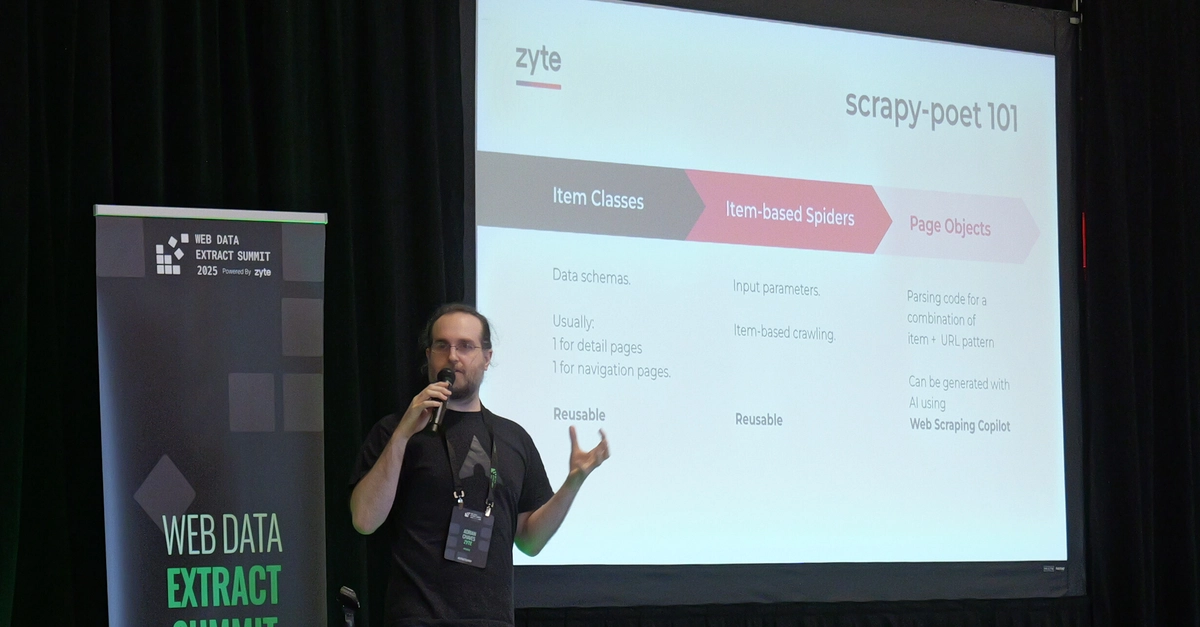
Scrapy Maintainer Drops Bombs on AI Scrapers: Code's a Breeze, Pages Fight Back
Picture this: AI spits out perfect Scrapy code in seconds. But then? The web laughs back. Scrapy's lead maintainer Adrian Chaves explains why.

Everyone figured AI was just a copilot, sprinkling fixes here and there. Then Buildermark scanned the Git history: 40% machine-written. And the real nightmares followed.
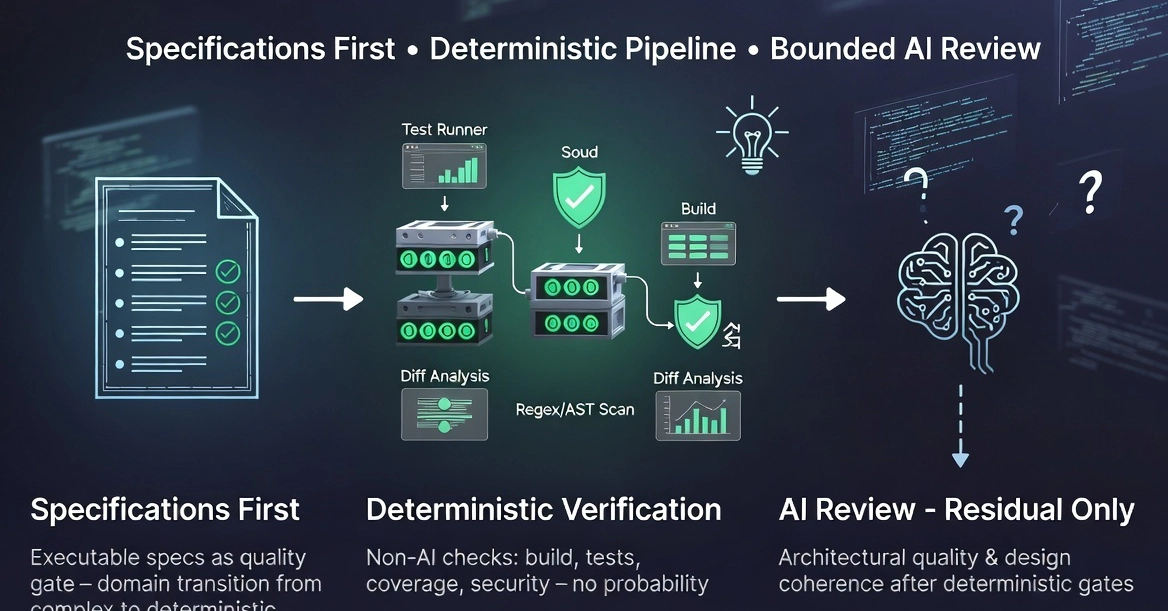
Picture this: you're staring at AI-generated code that's fast but flaky. Two projects, no coordination, both scream 'specs first' to fix it.
LangChain's GitHub repo racked up 90,000 stars last quarter — a 400% jump year-over-year. Devs aren't building agents from scratch anymore; they're plugging into frameworks that handle the hard parts.
Maintainers are slamming laptops shut as AI bots flood repos with junk code. This isn't a glitch; it's the future of dev workflows staring us down.
A simple string length check just got a massive RISC-V makeover in Linux 7.1 — 427.5% faster. But why does this tiny function pack such a punch in the kernel's guts?
Picture this: your monorepo commit triggers a pointless rebuild of the entire empire, wasting hours. GitLab pipelines fix that nightmare—and four more—for teams drowning in complexity.
TUXEDO's push for mainline Linux support hits a milestone with kernel 7.1. USB-C power modes and detection fixes mean fewer hacks for high-end Linux rigs.
Linus Torvalds just greenlit Linux 7.0, bumping the major version with a treasure trove of perf tweaks, hardware love, and Rust momentum. It's not just an update; it's the kernel flexing into a self-healing, speed-demon future.
Routine Friday? Hardly. A torrent of security updates slams Linux distros, zeroing in on OpenSSH, kernels, and Grafana—hinting at fresh exploit campaigns. Here's why sysadmins can't sleep on this.
OpenClaw exploded to 300k GitHub stars promising AI that acts, not just chats. But enterprises slamming into walls because they ignore the spec's hidden layers.
Picture this: your AI agents crashing into each other mid-task. Google's new Scion testbed fixes that, spinning up isolated parallels across clusters. Smart move — or Google's latest cluster play?
No more wiggle room on HIPAA security. Hospitals face mandatory encryption, MFA everywhere, and 72-hour incident reports—starting now.
Picture this: an AI that stares down decades-old code, spots the fatal flaw, then crafts a working exploit. Claude Mythos did just that—thousands of times across every big OS and browser.
GitHub Pages is free gold for static sites, but its Jekyll builder chokes on plugins. Here's how Actions fix that mess, plus Cloudflare for real-world speed.
Ever wonder if your dusty 90s PC dreams could still sing? Linux devs are patching AMD's InterWave sound card for 2026—suspend, resume, the works.
You've got SonarQube Community humming on your server, spotting bugs in Java and Python like a champ. But then a pull request sails through with a nasty SQL injection—and you're left wondering if free is just a teaser for the real payday.
AI buzz everywhere, but your code still breaks. Claude Code fixes that by living in your project, not a chat window. Time to stop pasting and start agenting.
Embedding Power BI reports with iframes? It's Microsoft's slick way to share dashboards—but at what cost? I've seen this movie before; it ends with vendor lock-in.
You thought Peppermint was just for wheezing old laptops? Think again. This Debian lightweight lets anyone assemble their dream OS, block by block, without the bloat.