Kubernetes 1.36: DRA Goes Native, Embraces Memory & CPU
Kubernetes 1.36 isn't just an incremental update; it's a fundamental shift in how the platform handles resources. Dynamic Resource Allocation (DRA) is graduating and, critically, going native.
Kubernetes v1.36 just dropped, and with it, a feature that's been brewing for a while: Volume Group Snapshots are now officially out of beta and ready for primetime. This means a much smoother ride for managing complex, multi-volume applications.
The perpetual cat-and-mouse game of securing Kubernetes clusters just got a significant upgrade. Kubernetes v1.36 is quietly rolling out a feature that could fundamentally alter how we enforce policies.
Kubernetes clusters are getting massive, and controllers are choking on the data. Version 1.36 offers an alpha fix, but is it enough to tame the beast?
AMD's decision to move Vivado, its crucial FPGA design suite, behind a paywall for Linux users is sparking outrage. The move effectively locks out students and hobbyists from free development tools.
Ever tried to buy a train ticket only to be told you're a bot? Deutsche Bahn’s website managed to do just that, but only to Linux users. A bizarre error code locked out an entire operating system.
Forget network cables. Intel engineers have just unveiled a Linux driver that transforms your USB4 and Thunderbolt ports into direct, blazing-fast data pipes between machines, bypassing the network entirely.
It's a firmware update miracle! HP just threw a hefty sum at Linux firmware support. But is this truly a revolution or just another company hopping on the bandwagon?
Age verification laws are sweeping across the US, but open-source operating systems like Linux have dodged a major bullet. California and Colorado have quietly amended their legislation, recognizing the unique nature of community-driven software.
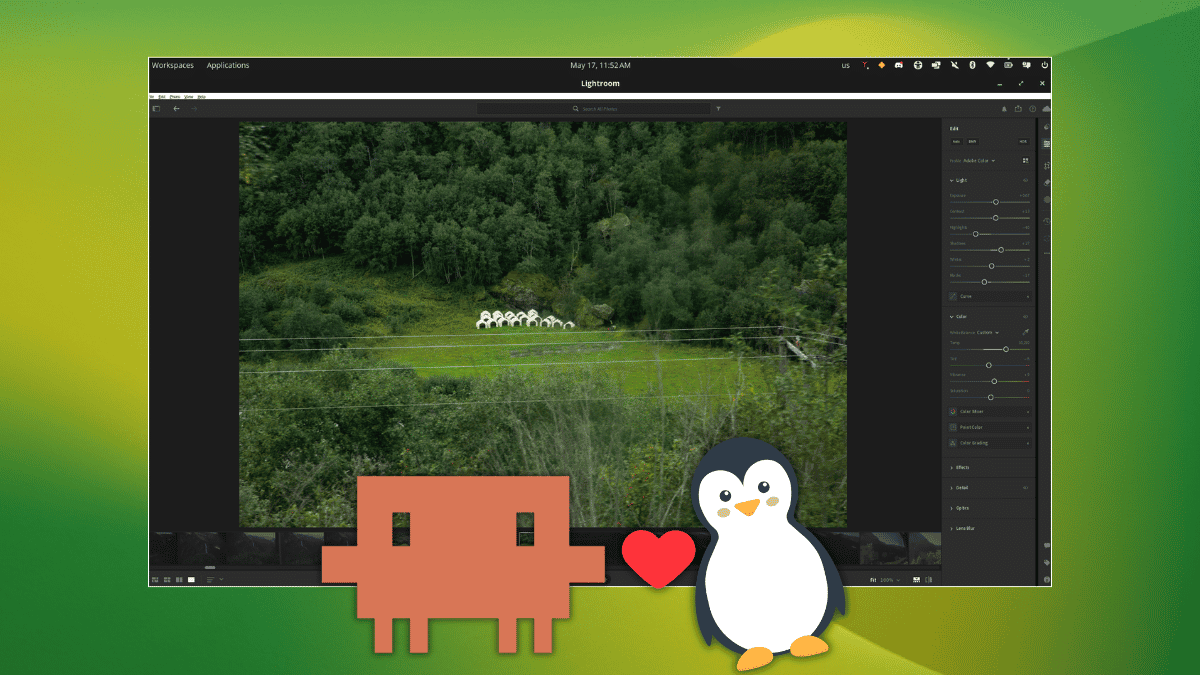
Can an AI agent truly code its way through complex software compatibility issues? Apparently, yes. Adobe Lightroom CC now runs on Linux, thanks to a human telling an AI what to do.
Greg Kroah-Hartman dropped a bombshell at RustWeek: a Rust-based proposal that might eliminate 80% of Linux kernel CVEs. This isn't just theoretical; it tackles C's fundamental weaknesses head-on.
The days of juggling Gitaly on VMs alongside your Kubernetes-native GitLab are officially over. Gitaly on Kubernetes is now generally available, a move that's nothing short of transformative for many teams.
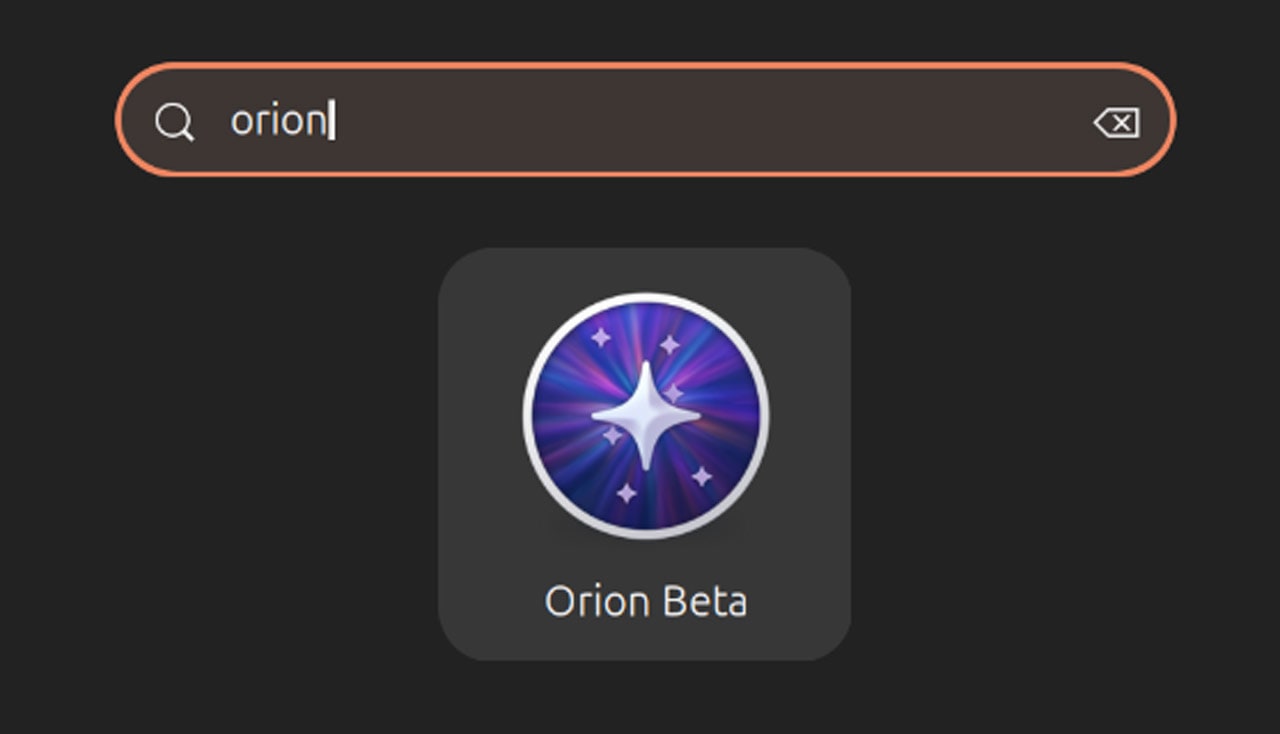
Orion for Linux is evolving. The latest beta brings crucial ad-blocking and download management tools, signaling a significant leap forward for this GTK4 browser.
April 2026 wasn't just about Ubuntu LTS. Major Linux applications like Zed, Shotcut, and Scribus dropped significant updates, packing real-world utility for users.
Forget clumsy tool calls. Cloudflare's new MCP Code Mode is quietly redefining how AI agents interact with complex APIs, packing immense power into tiny prompts.
Apache Geode 2.0 isn't just an upgrade; it's a deep re-architecture. We explore the cascading dependencies and architectural shifts that brought this critical distributed system into the modern Java era.
The data lake was supposed to be flexible and cheap. Instead, it became a swamp. Enter Apache Iceberg, a project aiming to bring order to the chaos.
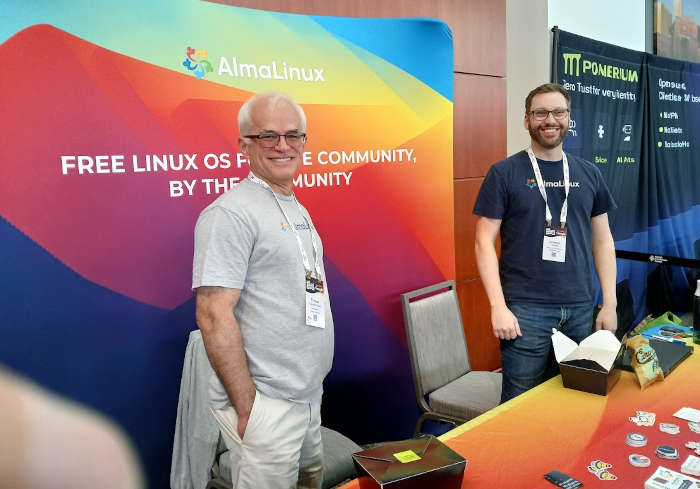
AlmaLinux just pulled a rabbit out of a hat, releasing both 9.8 and 10.2 on the same day. It’s a stunning display of engineering chops, but what does it really mean for the RHEL ecosystem?
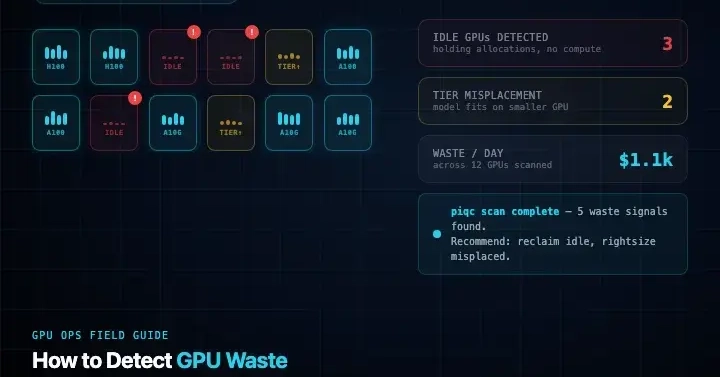
Your Kubernetes cluster might look healthy, but a hidden 20-40% of GPU capacity could be silently burning cash. This isn't about raw utilization metrics; it's about what's *actually* happening on the silicon.
The promise of Kubernetes, its dizzying flexibility, comes with a hidden cost: configuration complexity that fuels reliability and security failures. It turns out, many of the gravest incidents don't stem from your app code, but from a subtle misconfiguration, a missed detail in your deployment. And the worst part? You usually find out about it far too late.