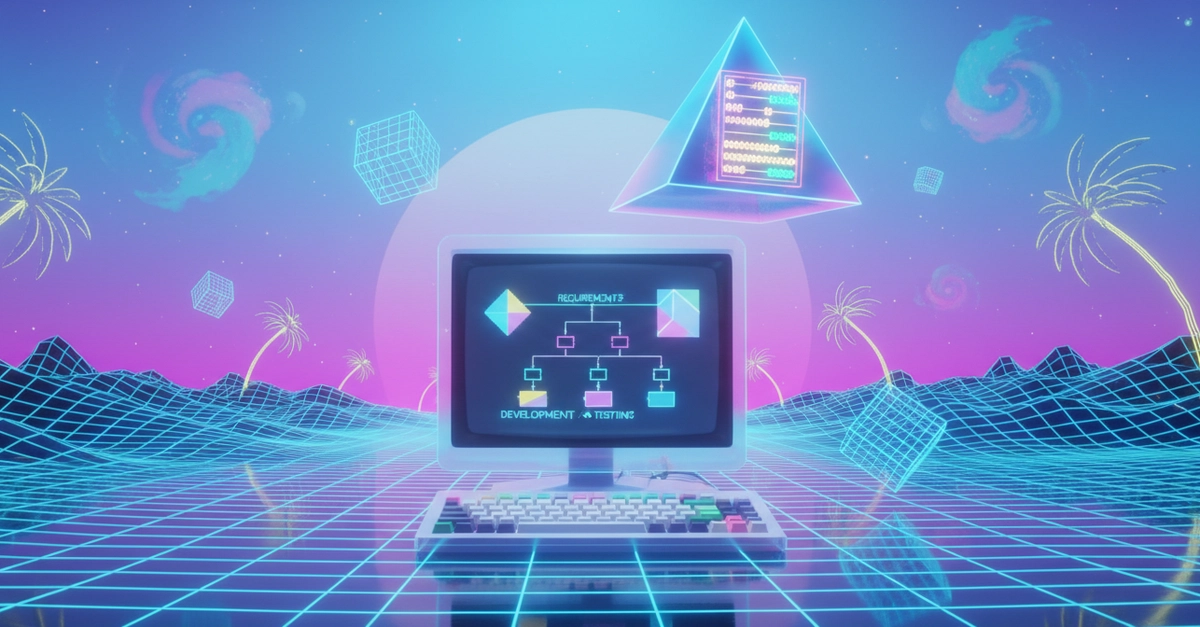
Why Fermi Estimates Beat Gut Feels in Software Project Planning
A dev team stares at a Jira board, deadlines looming, estimates flying wild. Turns out, the fix isn't crystal-ball accuracy—it's crude math and ruthless prioritization.


Tired of AI that blanks on yesterday's chat? One builder fixed it with shared memory across four channels. Sharp, smoothly, and a bit scary.
Dev community geared up for epic April Fools hacks. Got a lone button screaming 'DON'T'—and it owns us all. Pure, brutal minimalism wins.
Fragmented coding sessions bleed 10-15 minutes each for parents juggling kids and code. Two free tools—tmux and AI context scripts—slash that to under 2 minutes, backed by hard numbers and setups.
Imagine a high school kid demoing hurricane forecasts via Kubernetes at the world's biggest cloud native bash. That's not sci-fi; it's KubeCon 2026, and it shows open source isn't just for graybeards anymore.
GitHub down again? Before you rage-quit, consider this: those outages might be the price of pushing developer tools to the edge. A contrarian take that's refreshingly honest.
What if your AI agent actually remembered yesterday's half-finished sales pitch? Holaboss, a new open-source architecture, promises to fix the 'goldfish memory' plague in tools like Manus and OpenClaw.
Juggling terminals, browser tabs, and AI agents? PrettyMux just made that nightmare disappear for Linux power users. This native GTK4 app built on Ghostty delivers tmux vibes in a sleek GUI.
RADV just landed support for Vulkan's VK_EXT_primitive_restart_index – the first Mesa driver to do so. It's a Valve-engineered push that could supercharge Linux graphics emulation.
Tens of thousands of machine learning models run on Safetensors today. Hugging Face is handing it off to the PyTorch Foundation, promising true community control. But is this evolution or just smart PR?
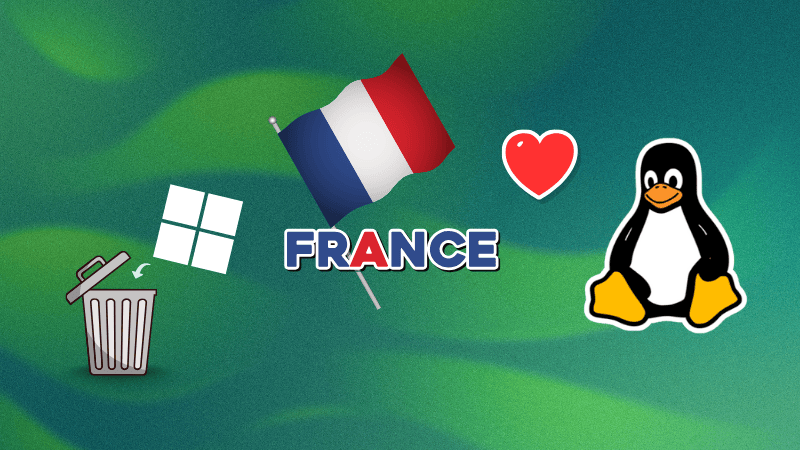
French bureaucrats might soon boot up Linux instead of Windows—cheaper, secure, no Big Tech strings. But does this actually stick, or fade like past tries?
Anthropic's $1.5 million Apache gift looks noble. But in AI's Wild West, is it heart or calculated spin?
A barrage of security updates slammed open source distros this Wednesday, targeting crypto libs, image processors, and more. Here's the why — and the scramble ahead.
France just hit the accelerator on ditching Windows. Government desktops go Linux, kicking off a sovereignty sprint that's got Europe buzzing.
Fingers hover over the home row. Super key taps — and suddenly, your Linux desktop explodes into a portal of apps and windows. Rofi and Wofi aren't just launchers; they're the future of frictionless computing.
Picture this: a sneaky SQL injection slips into main, deploys to prod, and waits for hackers. SonarQube in GitHub Actions stops that cold, scanning every commit with ruthless efficiency.
GitHub Actions pipelines crumbling under monorepo weight? Firebase bills sneaking up? One dev's switch to Cloudflare Workers for Next.js apps delivers calm ops and global edge deploys. Here's the unvarnished truth.
8.5 million screens froze at dawn. What started as a bad update snowballed into $5.4 billion in losses, thanks to a decades-old flaw in how we monitor devices.
Oracle just dropped Project Detroit, cramming V8 and CPython directly into the JVM. No more fighting corner cases with half-baked reimplementations—it's native runtimes all the way down.
Swift CLI tools number over 1,500 on GitHub. Yet most grovel with readLine, like it's still 2014. Promptberry changes that—brutally.