The smell of stale popcorn hung in the air, a stark contrast to the sterile hum of server rooms. That’s where the real drama unfolds these days.
Here’s the thing: in the dizzying world of distributed systems, where your carefully crafted code can evaporate faster than a free donut at a tech conference, reliability isn’t a luxury. It’s the price of admission. And Temporal, the company I’ve been keeping an eye on (mostly from a distance, with a raised eyebrow), claims they’ve built a better net. They’re crowing about hitting 3,000 paying customers, a number that, while not exactly Google-scale, is certainly enough to make you stop and ask: “Alright, what’s the actual play here?”
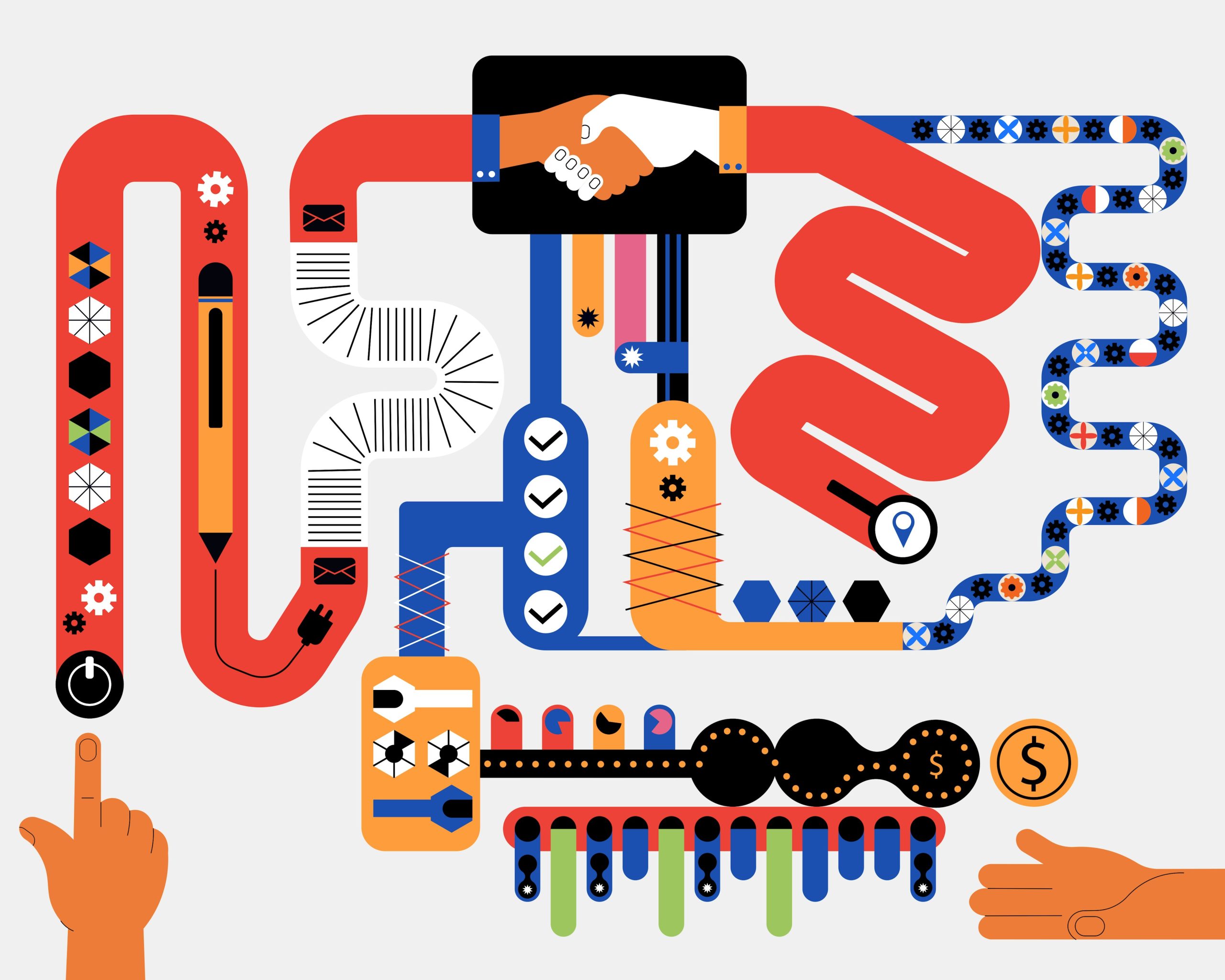
Temporal’s core offering is something they call Durable Execution, and let’s not pretend it’s some alien concept. At its heart, it’s about making sure your long-running processes don’t just… die. They persist their state, allowing them to pick up right where they left off after a server hiccup, a network tantrum, or a full-blown system reboot. Think of it as an automated transcript for your code’s life story, ensuring no crucial sentence gets lost.
This isn’t entirely new territory. Temporal itself is a direct fork of Uber’s open-source Cadence engine, itself a product of engineers who probably saw too many late-night debugging sessions. The pitch? Take fragile code, add Temporal, and bam – crash-proof workflows. No more endless lines of manual error handling that inevitably miss some obscure edge case.
So, Who’s Actually Paying for This Peace of Mind?
Nvidia, Netflix, Snap, Stripe. Big names. Companies that, frankly, can’t afford for their systems to just keel over when processing anything from a viral video to a financial transaction. The claim is that Temporal is particularly good at handling those gnarly, massive AI workloads that are the current darlings of the tech circuit. This is where the money is, folks. AI needs reliable orchestration, and Temporal’s angling to be the go-to for that.
CTO and co-founder Maxim Fateev, speaking at their Replay 2026 conference (yes, they’re already looking ahead), stressed that Temporal is an evolution of Cadence, not just a rebranding. They’ve tinkered with the developer experience, the SDKs, the way data is handled. The aim is to make this stuff actually usable for mere mortals, not just the grizzled veterans who remember the Wild West of distributed systems.
“In a world where API calls fail, servers crash, and data becomes inconsistent, Temporal ensures that business processes … run to completion without manual intervention.”
That’s the sales pitch, and it’s a good one. It paints a picture of systems that just work, freeing up developers from the soul-crushing grind of chasing down phantom bugs. They’re building a foundational layer, they say, so your team doesn’t have to.