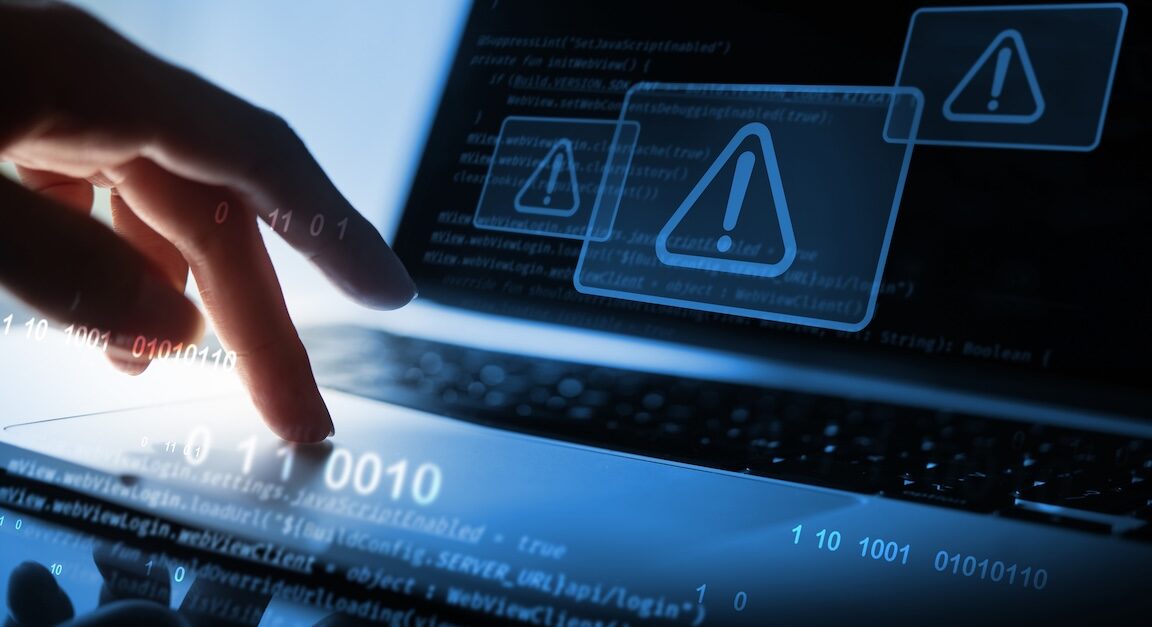
Here’s the deal for actual human beings: your digital life just got a little sketchier. That handy command-line tool you’ve been using, the one downloading over a million times a month? Yeah, it was a wolf in sheep’s clothing for about 12 hours, actively pilfering everything from user profiles to cloud keys. This isn’t some theoretical exploit; this was a stealth mission, launched from within the very infrastructure meant to build trust.
When Your Tools Turn on You
This whole mess centers around <a href="/tag/element-data/">element-data</a>, a CLI tool folks use for monitoring machine-learning systems. Sounds innocuous enough, right? Wrong. The attackers, slick operators they are, didn’t just find a backdoor; they apparently wormed their way into the developer’s account workflow itself. Think less brute force, more inside job. They managed to push a malicious version, tagged 0.23.3, onto the Python Package Index and Docker Hub. When you ran it, it wasn’t just monitoring; it was sniffing. User profiles, warehouse credentials, cloud provider keys, API tokens, SSH keys – it was all on the table for the taking.
It’s gone now, pulled down within 12 hours. But that window of opportunity was long enough for some serious damage. The developers, bless their hearts, are telling users who touched that version to just “assume that any credentials accessible to the environment where it ran may have been exposed.” In other words, clean house.
How’d They Get In? Follow the Money (or Keys, in This Case)
This wasn’t some random hack. The attackers exploited a vulnerability in a GitHub action, a common automation tool. They managed to inject malicious code into a pull request, effectively tricking the developer’s own account into running a script. This script then snagged account tokens and signing keys. Armed with those keys, they could then impersonate the legitimate developers and push their poisoned package. It’s a sophisticated, if deeply unethical, play. The developers found out through a third-party report, not from their own internal alarms, which is, frankly, a bit concerning.
Now, they’ve rotated credentials, fixed the vulnerability, and are auditing their other actions. Good. But the damage to trust? That’s a harder fix. For a tool that gets over a million downloads a month, the attack surface is massive. Who stands to gain? Ultimately, it’s the shadowy figures who can use stolen cloud keys and API tokens for further nefarious purposes – whether that’s cryptocurrency theft, launching other attacks, or selling that data on the dark web. The developers of element-data are the ones dealing with the immediate fallout and reputational hit.
Is the OSS Trust Broken?
The open-source model is built on a foundation of community, transparency, and shared responsibility. When that trust is violated at this scale, it shakes things up. We’ve seen this before, though. Remember the Log4j vulnerability? Or the countless smaller supply chain attacks that chip away at confidence? Each incident, big or small, makes developers think twice about which dependencies they pull in, and more importantly, how those dependencies are secured.
This incident with element-data is a stark reminder that even widely adopted open-source projects aren’t immune. The convenience of a pip install or a docker pull can mask a significant risk if the underlying build and distribution pipelines aren’t locked down tighter than Fort Knox. It forces the question: are we investing enough in the security of the open-source infrastructure that underpins so much of our digital world? Because right now, it feels like we’re playing catch-up, and the attackers are always a step ahead.
Users who installed 0.23.3, or who pulled and ran the affected Docker image, should assume that any credentials accessible to the environment where it ran may have been exposed.
This isn’t just a story about a compromised package; it’s a symptom of a larger problem in securing the software supply chain. For the millions of developers relying on OSS, it means increased vigilance, better auditing of dependencies, and a healthy dose of skepticism. For the companies building on top of OSS, it means investing in tools and processes that can detect these threats before they hit your systems.
🧬 Related Insights
- Read more: What is the CNCF?
- Read more: Linux 7.0 Lands: TSX Unlocked, EPYC Turbocharged, Rust Rampant
Frequently Asked Questions
What exactly did the malicious package do?
The malicious version of element-data was designed to scan the system where it was run and steal sensitive data, including user profiles, warehouse credentials, cloud provider keys, API tokens, and SSH keys.
Will this affect other element projects?
The developers stated that the Elementary Cloud, the Elementary dbt package, and other CLI versions were not affected by this incident.
How can I protect myself from similar attacks in the future?
Always ensure you’re using the latest, trusted versions of your software. Regularly review your dependencies, rotate your credentials, and implement security monitoring tools to detect unusual activity. Staying informed about known vulnerabilities is also key.