For years, the prevailing wisdom in government tech circles—especially outside the U.S.—was that embracing established commercial platforms like GitHub was simply the path of least resistance. It offered familiar workflows, a vast developer ecosystem, and the promise of strong, supported infrastructure. The Netherlands, however, is audibly rejecting that narrative, and doing so with a clear, data-driven strategy.
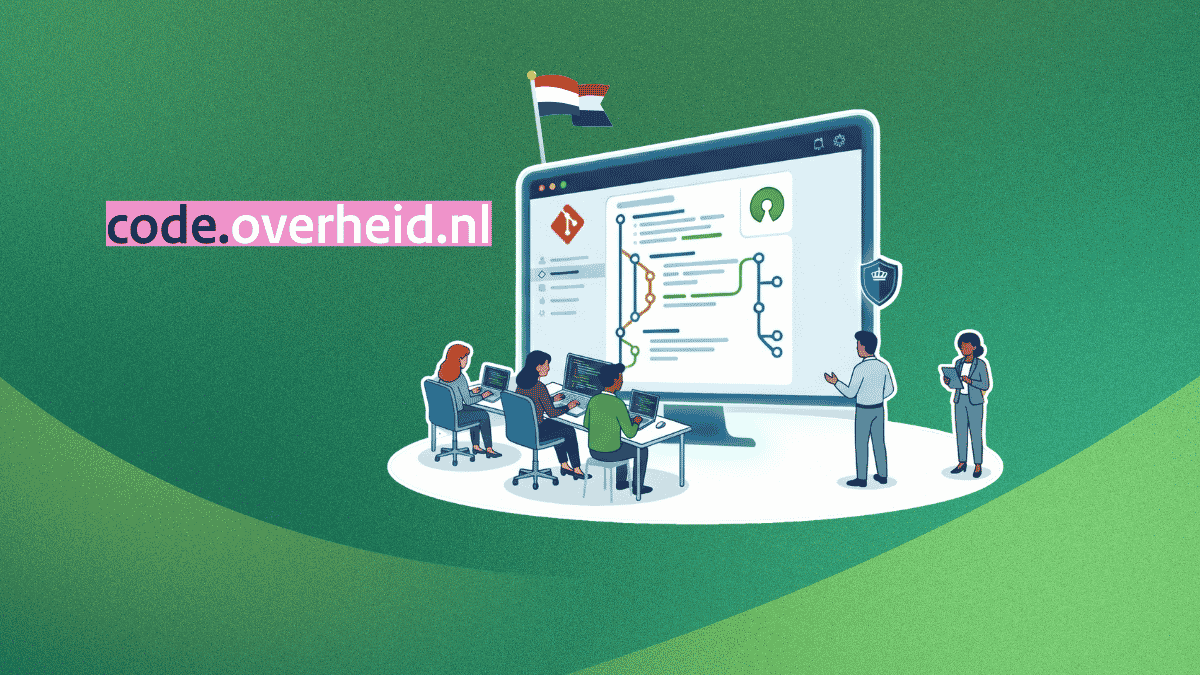
This isn’t just about ticking a box for open-source compliance; it’s a calculated move to reclaim control and foster genuine collaboration across governmental agencies. The government’s recent soft launch of code.overheid.nl, a self-hosted Forgejo instance, represents a significant departure from the status quo where critical national code resided on platforms outside direct government purview.
Why the Shift Away from Giants?
Previously, the Dutch government’s code was a distributed affair, scattered across both GitHub and GitLab. This situation, while functional, lacked strategic alignment with national policy. The core issue, as identified by government engineer Jan Vlug in late 2025, was proprietary ownership. GitHub’s closed-source nature immediately disqualified it, directly contravening the government’s own mandate to prioritize open-source solutions when functionally equivalent alternatives exist.
GitLab, while initially a stronger contender due to its open-core model, ultimately failed to pass muster. The critical distinction? Its open-core architecture, while offering a free Community Edition, funnels users towards a proprietary Enterprise Edition. This creates a dependency, a subtle but present vendor lock-in that the Netherlands is actively working to avoid. The goal isn’t just to use open source; it’s to own the infrastructure and the development process.
Forgejo: The Sovereign Choice
The winner of this evaluative process, Forgejo, stands out due to its unwavering commitment to being fully free and open source. Licensed under GPLv3+ and overseen by the democratic non-profit Codeberg e.V., Forgejo presents a clean proposition: no enterprise tiers, no hidden upsells, and crucially, no vendor lock-in. This aligns perfectly with the government’s objectives for long-term control and adaptability.
Tom Ootes, a developer advocate for the government, framed the platform’s launch not as a finished product, but as a collective project designed for iterative development, emphasizing community involvement from the outset. This isn’t just a new tool; it’s a new philosophy for governmental software development.
Early Adoption and Strategic Goals
This new platform, running on Dutch government infrastructure managed by SSC-ICT (DAWO), is designed to be accessible and collaborative for all government organizations. Its foundational goals are clear: to facilitate open-source development with strong Git tooling (think pull requests, issue tracking, and code reviews), encourage cross-agency collaboration to prevent duplicated effort, and ensure sovereignty through complete control over the hosting environment.
While still in its pilot phase—a deliberately measured rollout—the platform is already active. Noteworthy early adopters include the Kiesraad (Dutch Electoral Council), which has already migrated election-related repositories like the vote-counting software ‘Abacus’ and the e-KS candidate nomination system. The Ministry of the Interior itself has brought its DAWO project and even a DigiD source code release onto the platform.
A Growing Ecosystem
The organizational roster since the April 24 soft launch is telling. Ministries of Finance, Foreign Affairs, Agriculture, and Interior have all joined. Major municipalities like The Hague, Utrecht, Leiden, and Arnhem are also on board. This isn’t just theoretical; it’s tangible adoption, signaling a strong, albeit early, buy-in from key governmental bodies. This initiative, while quiet, is building momentum rapidly, demonstrating a clear strategic direction.
What Does This Mean for Open Source Development?
The Netherlands’ move is more than a national IT decision; it’s a strong signal to other nations grappling with similar digital sovereignty concerns. By selecting Forgejo, they’re not just adopting a tool; they’re endorsing a model of development that prioritizes community governance and true open-source principles over proprietary control. This could inspire a wave of similar national initiatives, further solidifying Forgejo’s position and potentially challenging the dominance of commercial platforms in governmental and enterprise settings worldwide.
It’s a bold gambit, but one that appears grounded in a pragmatic assessment of long-term risks and rewards. The government is betting on control, collaboration, and the enduring strength of open-source principles. Time will tell if this pilot blossoms into a full-scale revolution, but the seeds are certainly planted.
🧬 Related Insights
- Read more: Gemma 4 is Finally Open Source—Here’s What Actually Works
- Read more: Wayland’s Long-Awaited Session Savior: xdg-session-management Finally Merges After 6 Years
Frequently Asked Questions
**What is code.overheid.nl? code.overheid.nl is the Dutch government’s new self-hosted Forgejo instance, designed for hosting governmental source code and fostering collaboration.
**Why did the Netherlands choose Forgejo over GitHub or GitLab? The Netherlands opted for Forgejo because of its fully free and open-source nature, avoiding the proprietary aspects and potential vendor lock-in associated with GitHub and GitLab’s open-core model.
**Is this platform available to the public or only government organizations? Currently, the platform is primarily for Dutch government organizations, though its open-source foundation suggests broader potential applications in the future.