Open Source Daily Briefing
- Google I/O 2026: AI Unleashed for Developers: Forget incremental updates. Google I/O 2026 just blew the doors wide open, revealing an AI-powered future that’s less about prompts and more about profound creation. This isn’t just a feature set; it’s a seismic platform shift.
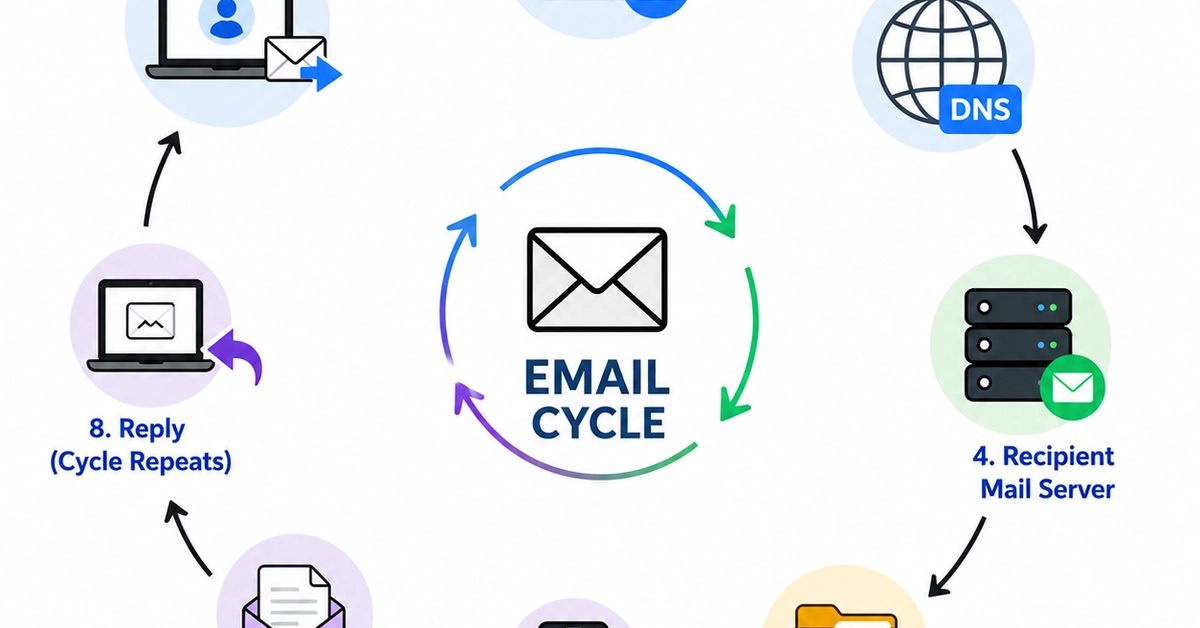
- Email Under the Hood: 23 Million Emails Sent Per Second: You click ‘Send’. Then what? Turns out, it’s not magic. It’s a high-speed ballet of servers, cryptography, and strict protocols.
- Java’s Enduring Reign: Why it Still Dominates in 2026: Forget the obituary rumors. In 2026, Java is not just alive; it’s a foundational pillar of the digital economy, powering everything from your phone to global financial markets.
- k6 2.0: AI Woos Performance Testers: k6 2.0 is here, weaving AI into the fabric of performance testing. New commands aim to boost automation and clarity, especially as AI coding assistants become more integrated.
- AI Memory’s Graph Problem [The Scaling Wall]: Everyone’s building AI memory with graphs. They’re all about to hit a very expensive wall. The fundamental architecture is wrong.
- Mistral vs. OpenAI: French SaaS Weighs Data Sovereignty: French B2B SaaS companies face a crucial decision: Mistral AI or OpenAI? It’s not just about raw AI power, but about safeguarding client data and navigating complex regulations.
- [WARNING] Claude Agent’s 8-Server Setup Collides Tool Names: When you wire up eight AI agents, you expect some fireworks. What you don’t expect are silent data losses and hijacked tasks. That’s the grim reality facing users of the Model Context Protocol.
- Go Binary False Positives Plague Security Tools: Windows Defender’s heuristic detection has a known blind spot for Go binaries, turning legitimate security tools into perceived malware. A recent open-source project learned this the hard way.