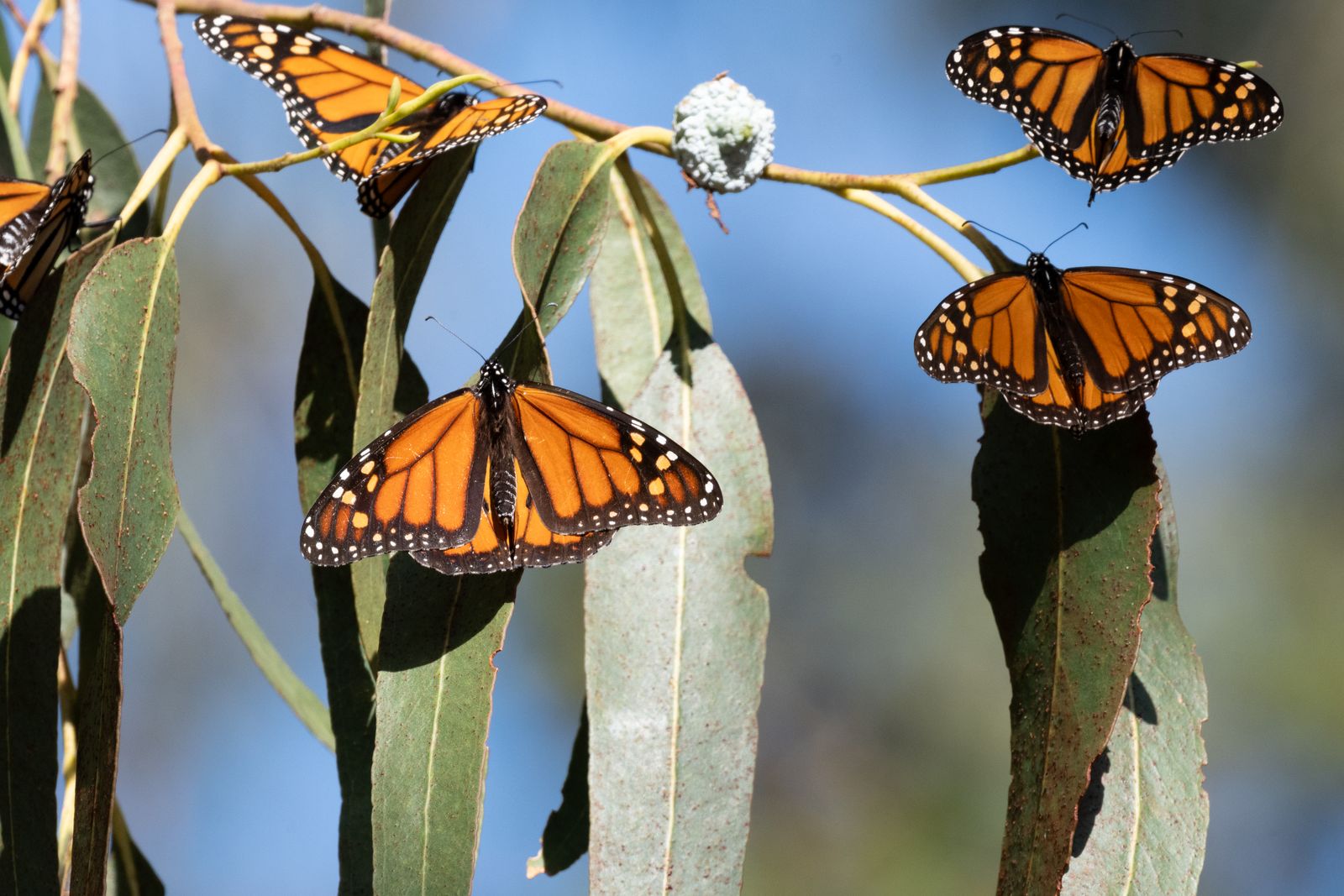
Western Monarchs: A Silent Spring, A Pesticide Problem
The chill of a November morning usually brings butterflies to cluster for warmth, but for a group of volunteers in Pacific Grove, it brought a horrifying sight: hundreds of dead and dying monarchs. This isn't an isolated incident; it's a symptom of a much larger ecological rot.
Open Source BeatApr 27, 20265 min read
⚡ Key Takeaways
Western monarch butterflies are facing a near-certain extinction by 2080.𝕏
Toxicology reports link mass monarch deaths to pesticides commonly found in residential sprays.𝕏
A 2025 study revealed a 22% decline in butterfly populations across the U.S. between 2000 and 2020.𝕏
The 60-Second TL;DR
Western monarch butterflies are facing a near-certain extinction by 2080.
Toxicology reports link mass monarch deaths to pesticides commonly found in residential sprays.
A 2025 study revealed a 22% decline in butterfly populations across the U.S. between 2000 and 2020.